Moving Day Survival Guide: What to Expect and How to Prepare
A practical moving day survival guide covering what to expect from start to finish, how to prepare the week before, and tips to keep the day organized.
Moving day can feel like the final boss of relocation. After weeks of packing, planning, and paperwork, the big day arrives with a mix of excitement and stress. Boxes stack up in every room, the coffee maker is already packed, and you are not entirely sure where your phone charger went.
The good news is that a little structure goes a long way. When you know what to expect and prepare for each phase of the day, moving day becomes a manageable project instead of a chaotic scramble. If you are planning a move in Arlington Heights or the surrounding Chicago suburbs, Falcon Moving, LLC helps families and businesses handle the heavy lifting so they can focus on settling into the new space.
This guide walks through what to do in the days leading up to the move, what happens when movers arrive, and how to keep everything on track from the first box to the last.
Watch: Moving Day Checklist
This video covers a practical moving day checklist, including last-minute prep, working with movers, and settling into your new home.
The Week Before Moving Day
The final week is when loose ends get tied up. Rushing these tasks the night before adds unnecessary stress, so spread them across several days.
Confirm the Details
Call or email your moving company to confirm:
- The date and arrival window
- The address for both pickup and delivery
- Any special instructions, such as parking restrictions or elevator reservations
- Whether you need to provide moving blankets, tape, or other supplies
For more help with the broader timeline, see our things to do before moving day checklist.
Finish Packing
By this point, most items should be boxed except daily essentials. Label every box with its destination room and a brief contents note. Color-coded tape or markers make sorting faster on the other end.
For packing fundamentals, read our guide on how to pack boxes for moving.
Start a Survival Kit
Pack a separate box or bag with everything you will need during the move and the first night. This prevents you from tearing through sealed boxes for a phone charger or a roll of toilet paper.
Disassemble Furniture
Take apart beds, tables, and shelving units if you agreed to handle that yourself. Keep screws and small hardware in labeled zip-top bags taped to the corresponding furniture piece.
Clean and Prep Both Homes
Clean the old home room by room as you finish packing. At the new home, check that utilities are on, doors are unlocked, and any repairs or cleaning are done before boxes arrive.
The Night Before Moving Day
A calm evening makes for a smoother morning. Resist the urge to pack until 2 AM.
Pack Your Essentials Bag
Include toiletries, medications, glasses or contacts, a change of clothes, pajamas, chargers, snacks, and important documents. Keep this bag with you in your car, not on the moving truck.
Plan Meals
Order takeout or prepare simple, no-cook meals. Keep paper plates, plastic utensils, and water bottles accessible. The last thing you want is to dig for a frying pan at 10 PM.
Charge Devices
Charge phones, portable chargers, tablets, and any power tools you might need. Moving day communication depends on a working phone.
Set Multiple Alarms
Give yourself enough time to shower, eat, and do a final walkthrough before movers arrive. A rushed morning sets a tense tone for the whole day.
Protect Floors and Walls
Lay down floor protection, remove wall hangings, and pad doorframes if needed. This reduces the risk of damage and shows movers you have prepared the space.
Moving Day Morning
The day has arrived. Stick to your plan and tackle one thing at a time.
Do a Final Walkthrough
Walk through every room, closet, cabinet, and drawer. Check the attic, basement, garage, and outdoor storage. It is surprisingly easy to leave behind a vacuum cleaner or a box in the back of a closet.
Keep Pathways Clear
Move rugs, mats, and low furniture out of high-traffic paths. Prop doors open and make sure the driveway or loading area is clear.
Be Ready Before Movers Arrive
Have water and snacks available, keep your essentials bag nearby, and keep pets and young children in a safe, quiet room or with a trusted caregiver.
Take Photos
Snap photos of electronics connections, furniture condition, and meter readings. These come in handy for setup, insurance claims, and utility transfers.
What to Expect When Movers Arrive
Professional movers usually start with a quick walkthrough and paperwork before touching a single box.
Initial Walkthrough
The crew leader will walk through your home to see what needs to be moved, note any fragile or oversized items, and confirm the destination plan. This is your chance to point out special instructions.
Inventory and Paperwork
For long-distance or full-service moves, movers may create an inventory list. Review it carefully before signing. Ask questions if anything is unclear.
Loading Order
Movers typically load large furniture and appliances first, then fill gaps with boxes. Heavy items go on the bottom, fragile items on top. Trust their system, they know how to maximize truck space safely.
Stay Available
You do not need to hover, but you should stay nearby to answer questions, direct traffic, and handle any issues. Keep your phone on and accessible.
At Your New Home
Once the truck arrives at your new address, the pace picks back up. A clear plan keeps unloading efficient.
Direct Box Placement
Tell movers where each box and piece of furniture should go. Use colored tape or written labels on doors to match box labels. This saves hours of rearranging later.
Unpack Essentials First
Start with bedding, bathroom supplies, and kitchen basics. Set up beds first so everyone can sleep comfortably, even if the rest of the house is still boxed up.
Inspect Before Signing
Check furniture and boxes for visible damage before the crew leaves. Compare the inventory list if one was used, and report any concerns immediately.
Test Utilities
Make sure lights, water, heat or air conditioning, and major appliances are working. If something is off, contact the utility company or landlord right away.
About Falcon Moving, LLC in Arlington Heights
Having a reliable moving company makes the entire day easier. Falcon Moving, LLC provides local moving services for homes, apartments, and businesses in Arlington Heights, Illinois, and the surrounding Chicago area.
Falcon Moving, LLC contact details:
- Name: Falcon Moving, LLC
- Address: 3209 N Wilke Rd #107, Arlington Heights, IL 60004-1437
- Phone: (847) 545-0721
- Website: falconmoving.com
Before hiring any mover, verify licensing and insurance, read recent reviews, and request a written estimate. A reputable company will explain what is included and help you choose the right level of service.
Moving Day Survival Checklist
Use this quick checklist to stay on track:
- Confirm arrival time with movers
- Pack essentials bag and keep it with you
- Clear walkways and protect floors
- Do a final walkthrough of the old home
- Take photos of furniture and electronics
- Keep pets and children in a safe area
- Review and sign inventory paperwork
- Direct box placement at the new home
- Inspect belongings before movers leave
- Test utilities and unpack essentials first
For a more comprehensive plan, see our ultimate moving checklist.
The Bottom Line
Moving day does not have to be overwhelming. With a clear timeline, a well-stocked survival kit, and good communication with your movers, you can get through the day with your sanity and your belongings intact.
Start preparing a week in advance, stay flexible when small surprises pop up, and remember that the goal is simply to get everything from point A to point B safely. If you are looking for professional help in the Arlington Heights area, Falcon Moving, LLC is one option to consider for local and residential moves.
Frequently Asked Questions
What should I do the night before moving day?
What time do movers usually arrive?
Should I be present during the entire move?
What should I pack in a moving day survival kit?
How do I prepare my home for movers?
Our team of moving experts creates practical, research-backed guides to help make your next move easier.
Related Articles
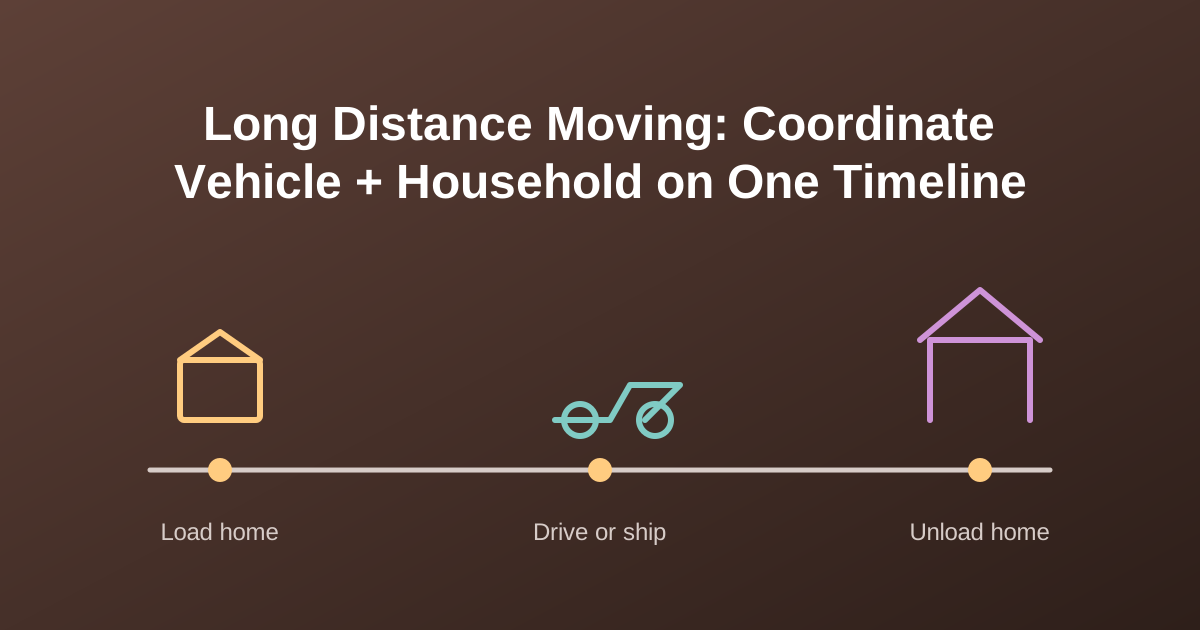
Long Distance Moving: How to Coordinate Your Vehicle and Household Move
Learn how to coordinate your vehicle and household move for a long-distance relocation, from one master timeline to delivery windows and arrival-day choreography.

Shipping a Car vs Driving It During a Long-Distance Move
Compare shipping a car vs driving it during a long-distance move, including costs, timing, wear and tear, auto transport options, and how to decide.

How to Prepare Your Car Before a Long-Distance Move
Learn how to prepare your car before a long-distance move, from maintenance checks and tire inspections to packing an emergency kit and planning your route.