How to Pack Boxes for Moving: A Step-by-Step Room-by-Room Guide That Protects Every Item
Learn how to pack boxes for moving with this room-by-room guide. Discover the right box sizes, padding techniques, and labeling tips to keep your belongings safe.
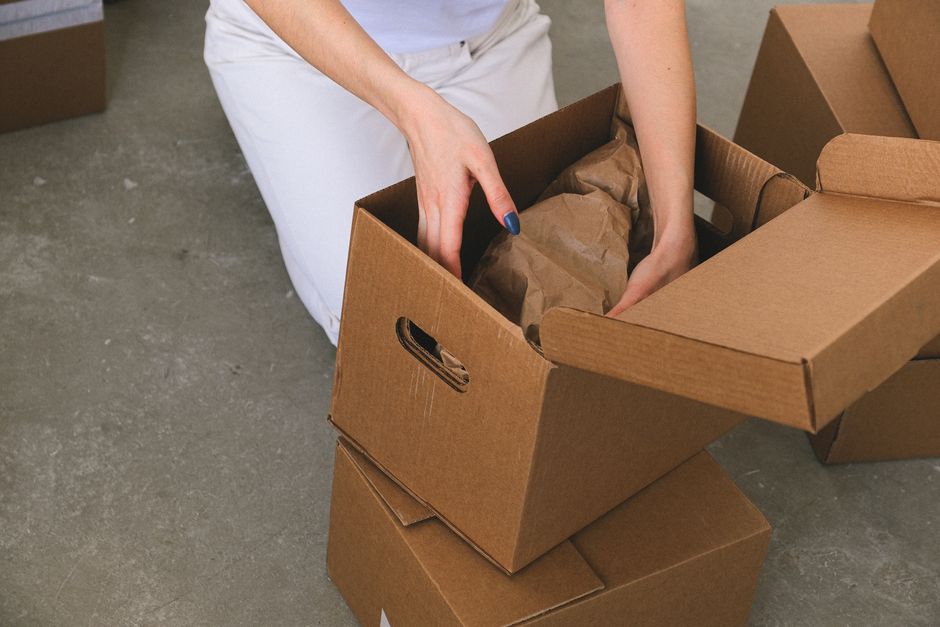
Packing moving boxes the right way is the difference between an organized move and a frustrating one. When every box is the right size, properly cushioned, and clearly labeled, your belongings arrive intact and unpacking becomes easy. When boxes are overloaded, underfilled, or mystery-labeled, moving day turns into a guessing game.
This guide walks you through how to pack boxes for moving room by room. You will learn which box sizes to use, how to protect fragile items, how to avoid the most common packing mistakes, and how to label everything so movers know exactly where each box belongs.
Choose the Right Moving Boxes
Not all boxes are the same. Using the wrong size or type for an item is one of the fastest ways to cause damage.
Box Size Guide
| Box Size | Best For | Weight Limit |
|---|---|---|
| Small (1.5 cu ft) | Books, canned goods, tools, shoes, small appliances | 30-40 lbs |
| Medium (3 cu ft) | Kitchen items, toys, clothing, electronics | 25-35 lbs |
| Large (4.5 cu ft) | Linens, pillows, lampshades, lightweight bulky items | 15-25 lbs |
| Wardrobe box | Hanging clothes, coats, dresses | Varies |
| Dish barrel | Plates, glasses, stemware, fragile kitchenware | 30-40 lbs |
The golden rule: Heavy items go in small boxes. Light items go in large boxes. A large box full of books can weigh over 70 pounds and will be impossible to lift safely.
Box Quality Matters
Cheap or used boxes can collapse under weight. Look for boxes that are:
- Clean and dry
- Free of rips, tears, or soft spots
- Made of double-walled cardboard for heavy or fragile items
- Closed properly with flaps that fold squarely
Grocery store boxes may be free, but they often have weak bottoms and food residue. Moving supply stores, Home Depot, Lowes, and U-Haul sell boxes designed specifically for moving.
Essential Packing Supplies
Before you start filling boxes, gather everything you need. Running out of tape or paper mid-pack is frustrating and slows you down.
Must-Have Supplies
- Packing paper: Unprinted newsprint for wrapping items and filling gaps
- Bubble wrap: Extra protection for fragile items
- Packing tape: High-quality tape, 2 inches wide
- Markers: Permanent markers for labeling
- Stretch wrap: Keeps drawers closed and protects furniture
- Ziplock bags: For small parts, hardware, and liquids
- Box cutter or scissors: For opening supplies and trimming tape
Pro tip: Buy more supplies than you think you need. Most stores accept returns on unopened items, and running out of tape on packing day is avoidable.
Box Packing Basics That Protect Everything
No matter what room you are packing, these principles apply every time.
1. Reinforce the Bottom
Tape the bottom seam of every box with at least one strip of tape along the seam and another strip perpendicular across it. For heavy boxes, tape in an X pattern for extra strength.
2. Cushion the Bottom
Add 3-4 inches of crumpled packing paper, towels, or bubble wrap to the bottom of each box. This absorbs impact when boxes are stacked or set down.
3. Place Heavy Items on the Bottom
Always pack the heaviest items at the bottom of the box and lighter items on top. This keeps the box stable and prevents crushing.
4. Fill Every Empty Space
Items shift during transit, and shifting causes damage. Stuff crumpled paper, clothing, or towels into every gap until the box feels firm when gently shaken.
5. Do Not Overfill
Boxes should close flat without bulging. Overfilled boxes cannot be stacked and are more likely to tear. If you have extra space, fill it with paper. If the box is too full, move items to another box.
6. Label Immediately
Label each box before you move on to the next. Include the destination room, a brief description, and any handling instructions like “fragile” or “this side up.”
Watch: Simple Packing Hacks for Moving
This video from The Spruce walks through practical packing hacks that help protect your belongings.
How to Pack the Kitchen
The kitchen is the hardest room to pack because it has the most breakable items and the heaviest small objects.
Plates and Bowls
- Wrap each plate individually in 2-3 sheets of packing paper
- Stand plates on their edges like records in a crate
- Pack bowls on their sides or nested with paper between each
- Keep dish boxes under 50 pounds
Glasses and Mugs
- Stuff crumpled paper inside each glass for support
- Wrap each glass individually
- Pack glasses rim-down in the box or cell divider
- Wrap mug handles with extra paper
Pots, Pans, and Small Appliances
- Stack pots and pans with paper between them
- Wrap sharp knives in cardboard or bubble wrap
- Pack small appliances in their original boxes if available
- Use small boxes for heavy cookware
For more detail on fragile kitchen packing, see our guide on how to pack dishes and glassware.
How to Pack the Bedroom
Bedrooms are usually easier than kitchens but still require care.
Clothing
- Leave hanging clothes on hangers and use wardrobe boxes
- Fold casual clothes and pack in medium boxes or suitcases
- Pack shoes in their original boxes or wrap pairs together
- Keep a small bag with clothes for the first night
Bedding and Linens
- Pack sheets, blankets, and pillows in large boxes
- Use linens as padding around fragile items
- Vacuum storage bags can reduce bulk for bulky bedding
Electronics and Accessories
- Use original boxes for TVs, monitors, and computers when possible
- Coil cables and store in ziplock bags labeled by device
- Wrap screens in bubble wrap or soft blankets
How to Pack the Living Room
Living rooms contain a mix of electronics, decor, books, and fragile items.
Books
- Pack books flat in small boxes
- Alternate the spine direction to keep boxes balanced
- Do not fill a large box with books
Decor and Fragile Items
- Wrap vases, picture frames, and candles individually
- Use dish barrels or small boxes for breakables
- Fill empty spaces with paper or clothing
Electronics
- Take photos of cable setups before disconnecting
- Pack remotes, cables, and accessories with their devices
- Use stretch wrap to keep components together
How to Pack the Bathroom
Bathrooms have many small items and liquids that need special attention.
- Throw away expired products and nearly empty bottles
- Seal lids with tape to prevent leaks
- Pack toiletries in ziplock bags
- Wrap mirrors and medicine cabinets carefully
- Use towels as cushioning
How to Pack the Home Office
Home offices contain important documents and electronics.
- Back up digital files before disconnecting anything
- Keep important documents in a folder that travels with you
- Pack electronics with plenty of padding
- Use small boxes for books and heavy reference materials
- Label cables and store them with their devices
Common Box Packing Mistakes
Even experienced packers make these mistakes. Avoid them and your move will be smoother.
Using the Wrong Box Size
Large boxes filled with books, tools, or canned goods become too heavy. Small boxes filled with pillows waste space. Match the box to the contents.
Skipping the Cushioning
A box with items rattling around inside is a damaged box waiting to happen. Always cushion the bottom, sides, and top.
Forgetting to Label
Unlabeled boxes create chaos at the new home. Movers cannot place boxes in the right rooms, and you will end up opening every box to find basics.
Overpacking Boxes
A box that cannot close flat or bulges at the sides will not stack and is likely to break. Split contents into two boxes if needed.
Packing Hazardous Items
Movers will not transport paint, chemicals, propane tanks, or flammable materials. Dispose of these safely before moving day.
Labeling Tips That Save Hours
Good labels turn unloading into a simple process.
What to include on every label:
- Destination room
- Brief contents description
- Handling instructions (fragile, this side up)
- Unpack priority (open first, low priority)
Color-coding system:
| Room | Suggested Color |
|---|---|
| Kitchen | Red |
| Bedroom | Blue |
| Living Room | Green |
| Bathroom | Yellow |
| Office | Purple |
Assign one color to each room and use matching tape or markers. Movers can quickly identify where boxes belong without reading every label.
When to Hire Professional Packers
If you are short on time, have valuable items, or simply want to avoid the stress, professional packers can help. They bring supplies, work quickly, and know how to protect fragile items.
Professional packing typically costs:
- Studio apartment: $200-$400
- One-bedroom apartment: $300-$600
- Two-bedroom apartment: $500-$900
For partial packing, many movers will pack only the kitchen or fragile items while you handle the rest. You can get free packing quotes from movers in your area, or work with a trusted local company like 5-Star Movers if you are moving in the Minneapolis-St. Paul area.
Trusted Moving Help: 5-Star Movers in St Louis Park, MN
If you are packing boxes for a move in or around St Louis Park, Minnesota, working with an experienced local mover can take the heavy lifting off your plate. 5-Star Movers serves the Minneapolis-St. Paul area with full-service moving and packing options.
5-Star Movers contact details:
- Name: 5-Star Movers
- Address: 6325 Cambridge St #1, St Louis Park, MN 55416
- Phone: (651) 243-1993
- Website: 5starmoversmn.com
Before hiring any mover, verify their licensing and insurance, read recent customer reviews, and request a written estimate. A reliable local company will answer your questions clearly and explain how they protect your belongings during packing and transport.
Box Packing Checklist
Use this checklist before sealing each box:
- Bottom reinforced with tape
- Cushioning on the bottom
- Heavy items placed first
- Fragile items wrapped individually
- Empty spaces filled with paper or soft items
- Box closes flat without bulging
- Box weight under 50 pounds
- Label on at least two sides
- Fragile items marked clearly
The Bottom Line
Learning how to pack boxes for moving is about more than just filling cardboard. It is about protecting your belongings, making loading efficient, and setting yourself up for an easier unpack. The right box size, proper cushioning, and clear labels are the foundation of every successful move.
If you want more packing strategies, check out our 25 packing hacks and our guide on how to pack an apartment in 2 days. And when you are ready to find reliable help, get free moving quotes from licensed movers who can handle the heavy lifting.
Frequently Asked Questions
What size boxes should I use for moving?
How do I keep items from breaking in moving boxes?
Should I use newspaper instead of packing paper?
How heavy should a moving box be?
What is the best way to label moving boxes?
Our team of moving experts creates practical, research-backed guides to help make your next move easier.
Related Articles
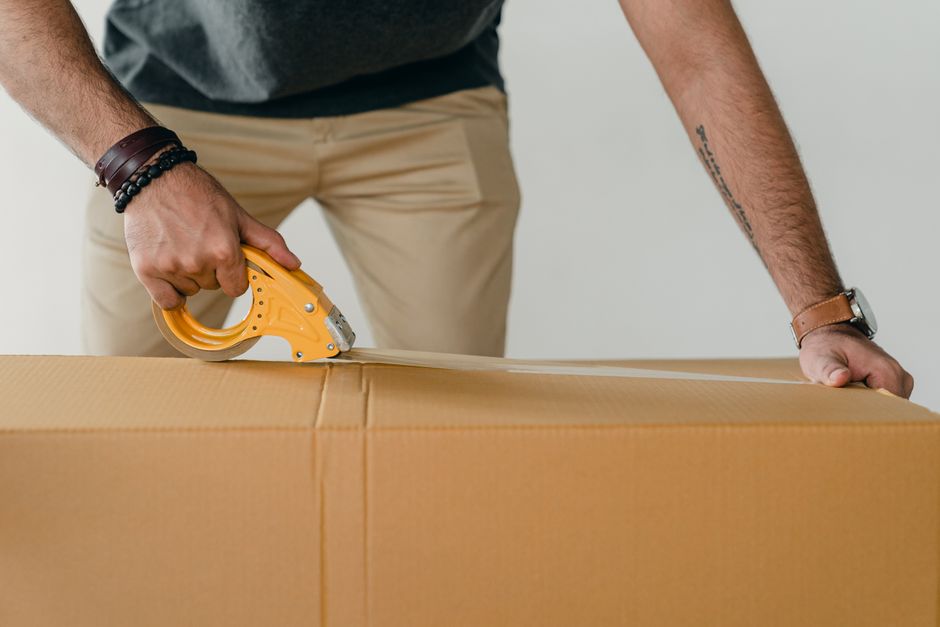
Packing Like a Pro: Tips From Professional Movers
Learn professional packing techniques from experienced movers. Protect your belongings, save time, and make your next move easier with these pro tips.
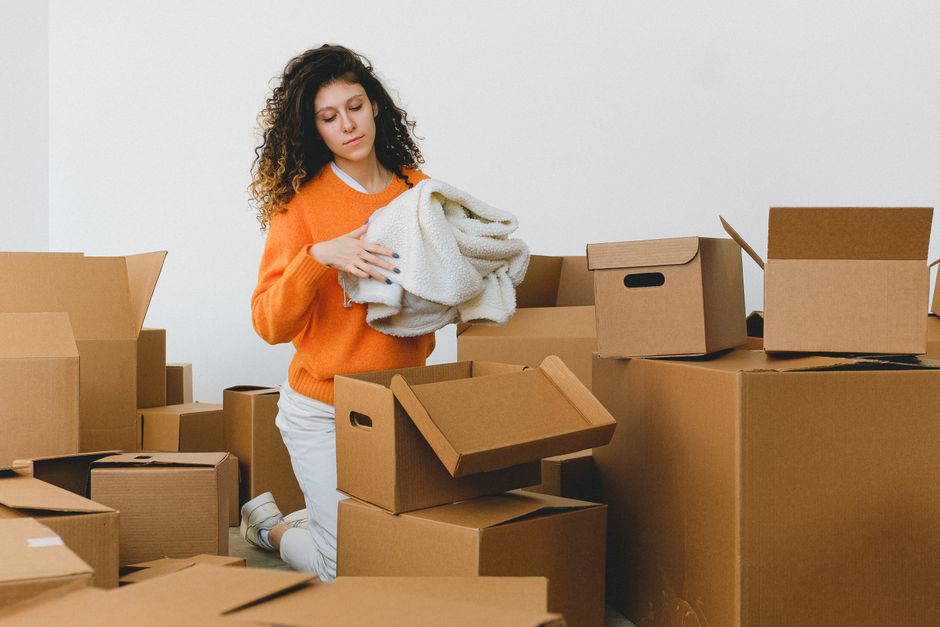
How to Pack an Apartment in 2 Days: A Stress-Free Plan
Need to pack an apartment fast? Follow this step-by-step 2-day packing plan with supply lists, room-by-room tips, and time-saving strategies.
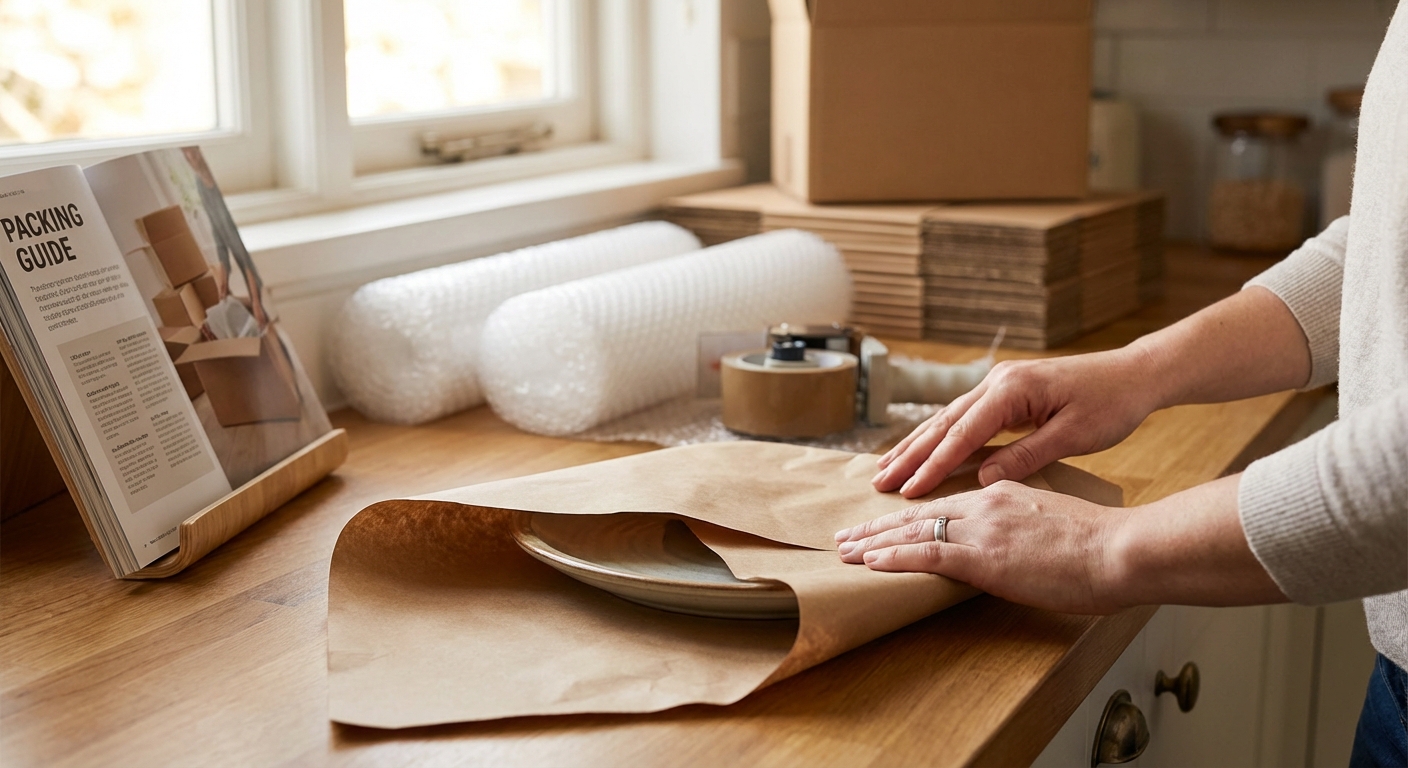
How to Pack Dishes and Glassware for Moving
Learn how to pack dishes and glassware so nothing breaks. Step-by-step packing techniques with pro tips for plates, bowls, glasses, and fragile items.