Packing Like a Pro: Tips From Professional Movers
Learn professional packing techniques from experienced movers. Protect your belongings, save time, and make your next move easier with these pro tips.
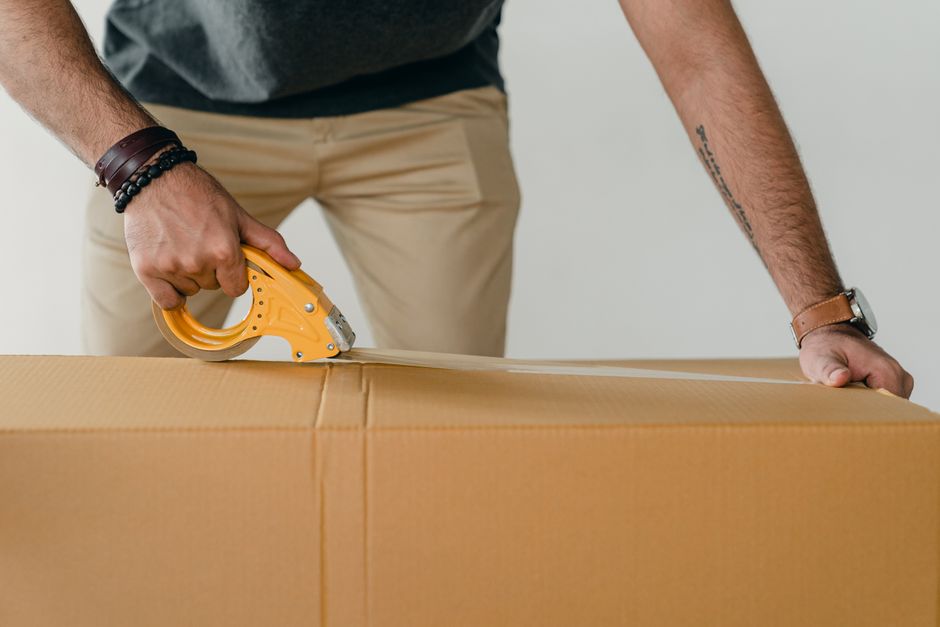
Packing is the part of moving that takes the longest and causes the most stress. A poorly packed box leads to broken dishes, scratched furniture, and chaotic unpacking. A professionally packed box keeps your belongings safe and makes settling into your new home much easier.
The good news is that you do not have to be a professional mover to pack like a pro. With the right supplies, a smart system, and a few insider techniques, you can protect your items and speed up the entire moving process.
Watch: Tips for Packing to Move
This video from Lowe’s shares practical packing techniques used by moving professionals.
Start With the Right Supplies
Professional movers do not cut corners on supplies, and neither should you. Using the wrong box or skimping on padding is how damage happens.
Essential Packing Supplies
| Supply | Best Used For |
|---|---|
| Small boxes | Books, canned goods, tools, heavy items |
| Medium boxes | Kitchen items, clothing, toys, electronics |
| Large boxes | Linens, pillows, lampshades, lightweight items |
| Wardrobe boxes | Hanging clothes and coats |
| Dish barrels | Plates, glasses, and fragile kitchenware |
| Packing paper | Wrapping items and filling gaps |
| Bubble wrap | Extra protection for breakables |
| Packing tape | Sealing and reinforcing boxes |
| Markers | Labeling boxes clearly |
| Stretch wrap | Keeping drawers closed and bundling items |
Pro tip: Buy more supplies than you think you need. Running out of boxes or tape on packing day slows everything down.
Pack Room by Room
Professional movers pack one room at a time. This keeps similar items together and makes unpacking much faster.
Room packing order:
- Storage areas and closets
- Guest rooms and formal spaces
- Home office
- Living room and dining room
- Bedrooms
- Bathroom
- Kitchen (last, since you use it daily)
Finish one room completely before starting the next. This prevents the chaos of half-packed spaces and makes it easier to track progress.
Use the Right Box for the Right Items
One of the biggest mistakes people make is putting heavy items in large boxes. A large box full of books can weigh over 70 pounds and is likely to break or cause injury.
Box size rules:
- Small boxes: Books, tools, canned goods, shoes
- Medium boxes: Clothing, toys, small appliances, electronics
- Large boxes: Linens, pillows, lampshades, lightweight bulky items
- Wardrobe boxes: Hanging clothes
- Dish barrels: Plates, bowls, glasses, and stemware
Reinforce Every Box
Professionals reinforce the bottom of every box before filling it. A weak bottom can give out during lifting or stacking.
How to reinforce:
- Tape the bottom seam with one strip along the seam
- Add a second strip perpendicular across the seam
- For heavy boxes, tape in an X pattern for extra strength
This takes a few extra seconds but prevents boxes from splitting open on moving day.
Cushion the Bottom and Top
Every box should have a cushion of crumpled packing paper, towels, or bubble wrap on the bottom and top. This absorbs shock when boxes are stacked or set down.
Layering method:
- Cushion the bottom with 3-4 inches of padding
- Place heavy items first
- Add lighter items on top
- Fill every gap with crumpled paper or soft items
- Add a final layer of padding before sealing
Wrap Fragile Items Individually
Breakable items need individual attention. Do not stack plates or glasses together without padding between them.
How to Pack Plates
- Wrap each plate in 2-3 sheets of packing paper
- Stand plates on their edges like records in a crate
- Place crumpled paper between each plate
- Keep the box under 50 pounds
How to Pack Glasses
- Stuff crumpled paper inside each glass for support
- Wrap each glass individually
- Pack glasses rim-down in the box or cell divider
- Never stack more than two layers of glasses
For more detail, see our guide on how to pack dishes and glassware.
Fill Every Empty Space
Items shift during transit, and shifting causes damage. Professionals stuff crumpled paper, clothing, or towels into every gap until the box feels firm when gently shaken.
What to use as filler:
- Crumpled packing paper
- Towels and linens
- Socks and t-shirts
- Bubble wrap
- Air pillows
A box that rattles is a box that will arrive damaged.
Do Not Overfill Boxes
Boxes should close flat without bulging. Overfilled boxes cannot be stacked safely and are more likely to tear.
Signs a box is too full:
- The lid does not close flat
- The sides bulge outward
- The box weighs more than 50 pounds
- You struggle to lift it comfortably
If a box is too full, redistribute items into another box.
Label Every Box Like a Pro
Clear labeling saves hours during unloading and unpacking. Professional movers label every box on at least two sides.
What to include:
- Destination room
- Brief description of contents
- Handling instructions (fragile, this side up)
- Unpack priority (open first, low priority)
Color-coding tip: Assign a color to each room and use matching tape or markers. Movers can quickly identify where each box belongs without reading every label.
Pack an Essentials Box
Professional movers always make sure essentials are easy to access. Pack a box or bag with everything you need for the first 24 to 48 hours in your new home.
Essentials box checklist:
- Toiletries and medications
- Phone chargers
- Change of clothes
- Basic kitchen items
- Cleaning supplies
- Bed linens and pillows
- Important documents
- Basic tools
Keep this box with you, not on the moving truck.
When to Hire Professional Packers
Some items and situations are worth leaving to the professionals. If you are short on time, have valuable items, or simply want peace of mind, professional packing services are a smart investment.
Professional packers are ideal for:
- Large or fragile kitchens
- Antiques, artwork, and collectibles
- Electronics and home theater systems
- Last-minute moves
- People with physical limitations
- Busy families and professionals
Many movers offer partial packing, so you can pack the easy items and leave the breakables to the experts.
Bald Eagle Moving: Packing and Moving Services in West Palm Beach, FL
If you want your belongings packed by experienced professionals, Bald Eagle Moving offers packing and moving services for residents in West Palm Beach, Florida, and the surrounding area.
Bald Eagle Moving contact details:
- Name: Bald Eagle Moving
- Address: 3630 Consumer St Ste 112, West Palm Beach, FL 33404-1705
- Phone: (561) 531-4627
- Website: baldeaglemoving.com
Before hiring any packing or moving service, verify licensing and insurance, read recent reviews, and request a written estimate. A reliable company will explain their packing process and help you choose the right level of service for your move.
Pro Packing Tips by Room
Kitchen
- Pack plates vertically on their edges
- Use cell dividers for glasses and stemware
- Keep dish boxes under 50 pounds
- Pack small appliances in original boxes when possible
- Wrap knives carefully or pack them in knife blocks
Bedroom
- Leave clothes on hangers and use wardrobe boxes
- Pack shoes in their original boxes or wrap pairs together
- Use suitcases for heavy folded clothing
- Pack bedding in large boxes or vacuum bags
Bathroom
- Throw away expired products
- Seal lids with tape to prevent leaks
- Pack toiletries in ziplock bags
- Wrap mirrors and medicine cabinets carefully
Living Room
- Pack books flat in small boxes
- Wrap electronics in bubble wrap or blankets
- Coil cables and label them by device
- Use stretch wrap to secure furniture drawers
Common Packing Mistakes to Avoid
Even with good intentions, these mistakes cause problems on moving day.
Mistake 1: Waiting Until the Last Minute
Packing always takes longer than expected. Start early and pack a little every day.
Mistake 2: Using Weak or Dirty Boxes
Free boxes from grocery stores may have weak bottoms or food residue. Invest in sturdy moving boxes for your valuable items.
Mistake 3: Skipping the Labeling
Unlabeled boxes create unpacking chaos. Label every box before sealing it.
Mistake 4: Packing Garbage
Moving junk costs money. Declutter before you pack.
Mistake 5: Forgetting the Essentials Box
Without an essentials box, your first night will be miserable. Pack it before you get tired.
Final Packing Checklist
Use this checklist to stay on track:
- Gather sturdy boxes and quality packing supplies
- Pack room by room, starting with storage areas
- Use small boxes for heavy items and large boxes for light items
- Reinforce the bottom of every box
- Cushion the bottom, sides, and top of each box
- Wrap fragile items individually
- Fill every empty space to prevent shifting
- Keep boxes under 50 pounds
- Label every box on at least two sides
- Pack an essentials box for the first night
- Schedule professional packers if needed
The Bottom Line
Packing like a pro comes down to using the right supplies, working room by room, and protecting every item properly. When you take the time to pack correctly, your belongings arrive safely and unpacking becomes much easier.
If you want hands-on help, professional packers can handle the hardest rooms in a fraction of the time. For more moving advice, check out our guide on how to pack boxes for moving, or get free moving quotes from licensed movers who offer packing services.
Frequently Asked Questions
What do professional movers recommend for packing?
Should I hire professional packers or pack myself?
What is the best way to pack fragile items?
How do professionals pack clothes?
How far in advance should I start packing?
Our team of moving experts creates practical, research-backed guides to help make your next move easier.
Related Articles
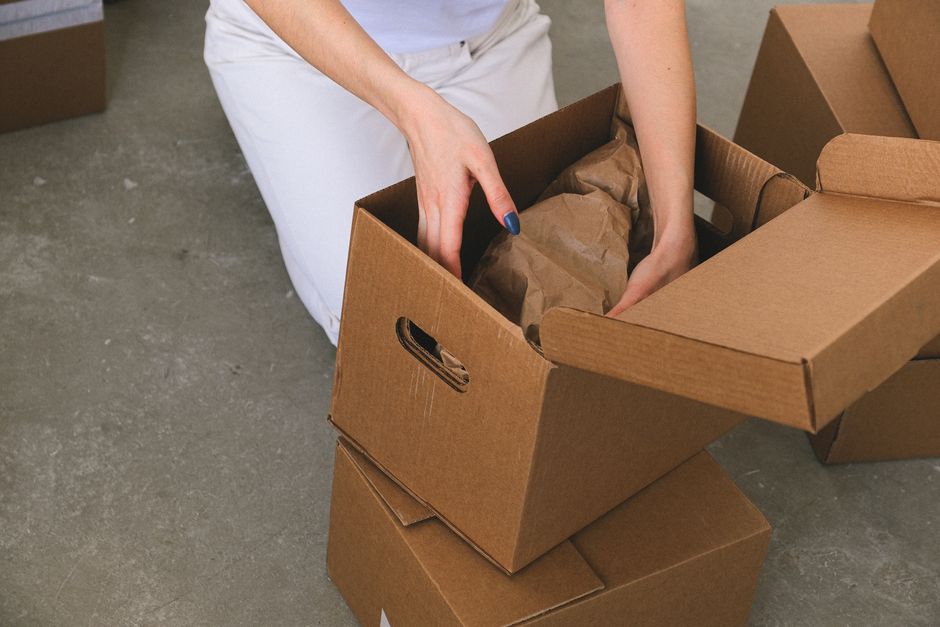
How to Pack Boxes for Moving: A Step-by-Step Room-by-Room Guide That Protects Every Item
Learn how to pack boxes for moving with this room-by-room guide. Discover the right box sizes, padding techniques, and labeling tips to keep your belongings safe.
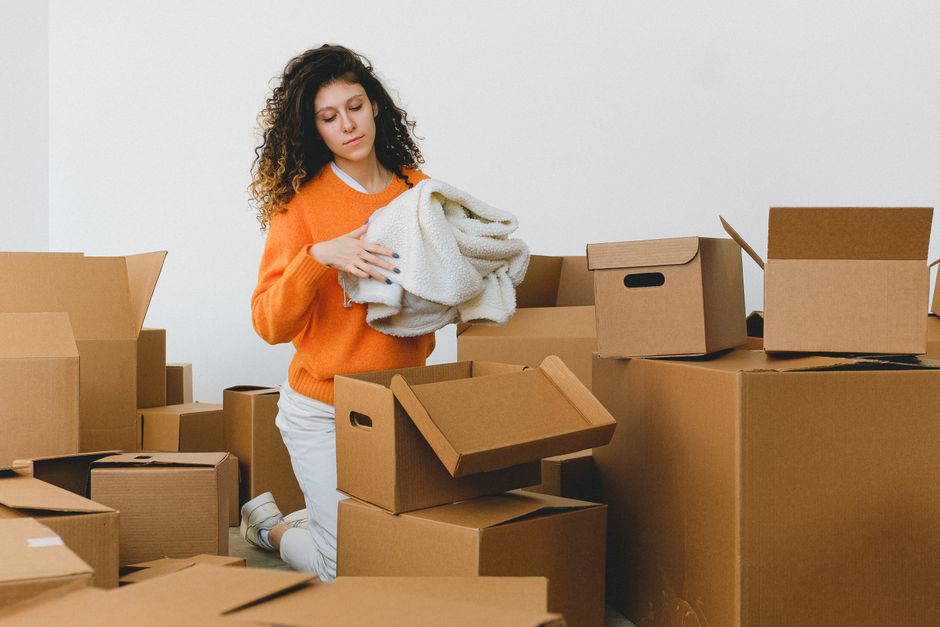
How to Pack an Apartment in 2 Days: A Stress-Free Plan
Need to pack an apartment fast? Follow this step-by-step 2-day packing plan with supply lists, room-by-room tips, and time-saving strategies.
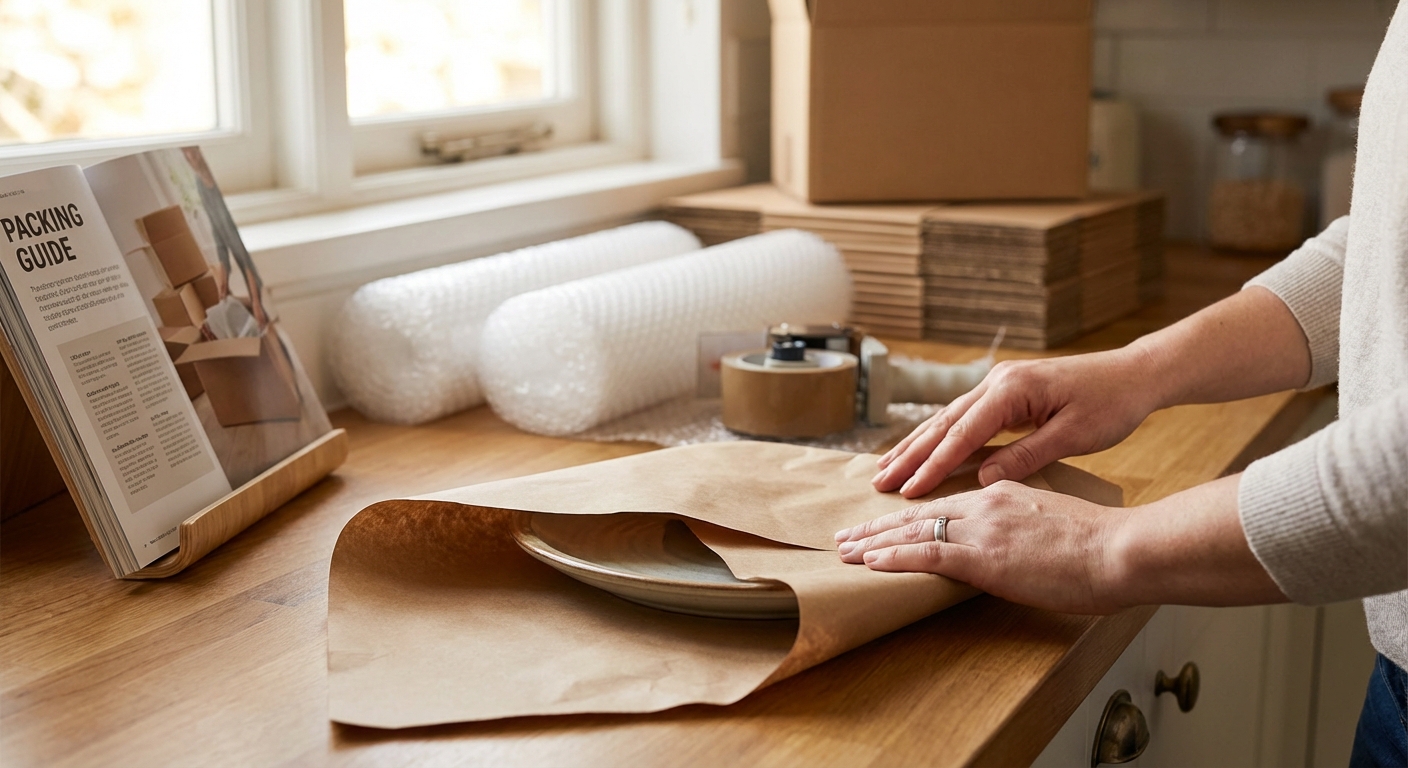
How to Pack Dishes and Glassware for Moving
Learn how to pack dishes and glassware so nothing breaks. Step-by-step packing techniques with pro tips for plates, bowls, glasses, and fragile items.