Long Distance Moving: How to Coordinate Your Vehicle and Household Move
Learn how to coordinate your vehicle and household move for a long-distance relocation, from one master timeline to delivery windows and arrival-day choreography.
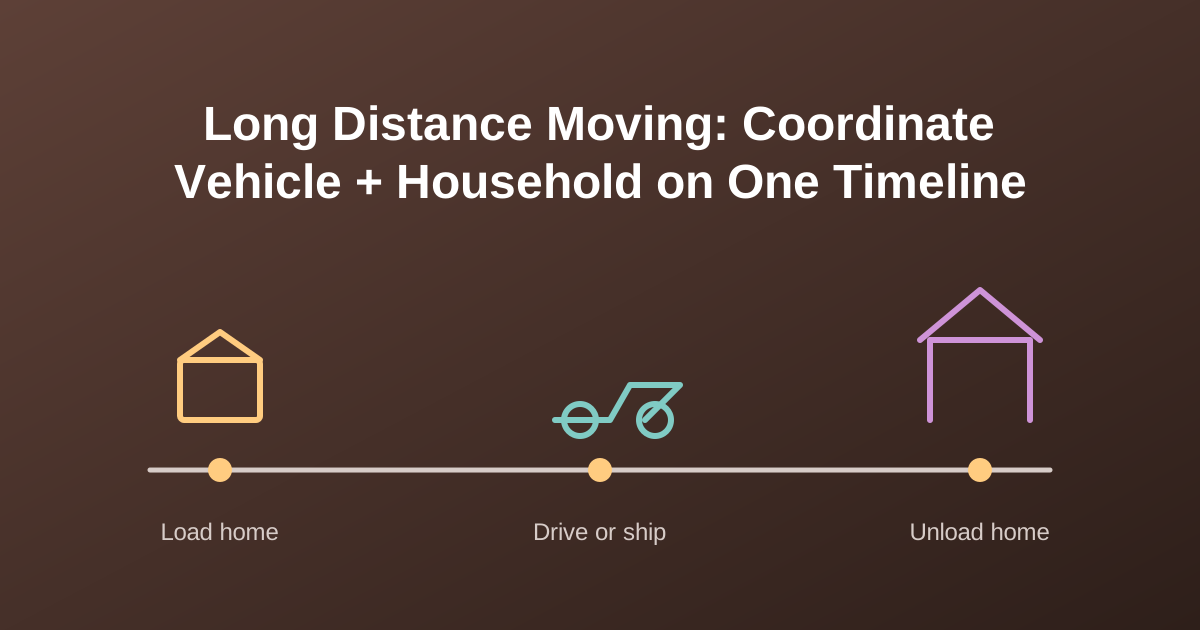
A long-distance move runs two journeys in parallel: your household on a truck and your vehicle on the road or a trailer. When they line up, move-in day feels effortless. When they drift apart, you can end up sleeping on the floor of an empty house waiting for a truck, or paying hotel fees while your car sits two states away. Coordination is the whole game.
This guide shows how to run both tracks on one master timeline. If you are starting a long-distance move from the Columbus, OH area, Manifest Moving Columbus provides moving services with clear delivery windows you can plan your drive or shipment around.
Start With One Master Timeline
Most long-distance chaos comes from planning the car and the household separately. Instead, build a single timeline with both tracks side by side.
Your timeline needs four anchors:
- Load day — when the household leaves your old home
- Transit window — the mover’s delivery range
- Car arrival — when your vehicle is available
- Move-in day — when you have keys and can receive everything
Write all four on one page. Every booking you make gets checked against it.
Book the Household Move First
The household shipment is the least flexible piece, so it sets the schedule. Long-distance movers combine loads along routes, which means they sell windows, not exact dates.
- Book six to eight weeks out
- Get the delivery window in writing
- Ask how the 24-hour delivery notification works
- Confirm who receives the truck if you are not there
Once the window exists, the car plan fits around it.
Fit the Car Plan Around the Window
With the delivery window in hand, choose your vehicle path.
Driving: leave after loading day and arrive a day before the earliest delivery date. Build buffer days for weather or fatigue.
Shipping: book the carrier for pickup shortly after load day so transit roughly parallels the truck’s. Remember carriers quote ranges too, so leave slack at both ends.
Flying: works when the car ships. Schedule your flight inside the delivery window so you land before the truck, not after it leaves.
Keep a 72-Hour Self-Sufficiency Kit
Assume that on arrival day, one of your two shipments will be late. Pack to be comfortable anyway.
Your kit covers:
- Three days of clothes per person
- Medications and toiletries
- Bedding and pillows
- Basic kitchen: kettle, mugs, utensils, snacks
- Chargers, documents, and valuables
- Pet food and supplies
This kit travels with you personally, never on the truck and never in a shipped car’s trunk.
Choreograph Arrival Day
Arrival day has a sequence. Knowing it prevents the classic mistake of renting the truck-accessible parking while your car sits in it.
A smooth arrival pattern:
- Confirm keys, access, and elevator reservations before anyone travels
- Arrive with your self-sufficiency kit
- Receive the household truck; direct placement room by room
- Receive or retrieve the car
- Unpack bedding and kitchen first, essentials second
If both the car and truck arrive the same day, meet the truck first and park the car where it will not block unloading.
Build Buffers Into Both Tracks
Long-distance moves punish optimistic schedules. Trucks hit weather. Carriers reroute. Keys release late. Add slack everywhere you can:
- One buffer day on your drive
- A hotel night budgeted at the destination
- A delivery window you treat as a range, not a promise
- Flexible first-day plans at the new job if possible
Buffers cost a little money and save a lot of stress.
Stay Reachable and Document Everything
Both your mover and your auto carrier need to reach you during transit. Keep your phone charged, answer unknown numbers, and confirm contact details with both companies the day before departure.
Photograph the household’s condition at loading and the car’s condition at pickup. Keep the estimate, inventory, and bills of lading in your document folder. If a delay or dispute appears, paperwork solves it faster than memory.
Video: How to Move Cross Country (NYC to CA)
Columbus Vehicle and Household Long-Distance Move Coordinators: Manifest Moving Columbus in Ohio
Coordinating a vehicle and a household across state lines takes a mover that communicates clearly about dates and windows. If you are starting a long-distance move from Columbus, Plain City, or the surrounding central Ohio area, Manifest Moving Columbus provides moving services built around clear scheduling and dependable delivery communication.
Manifest Moving Columbus contact details:
- Name: Manifest Moving Columbus
- Address: 7780 Corporate Blvd Unit 6110, Plain City, OH 43064-3599
- Phone: (614) 923-4848
- Website: movewithmanifest.com
Before hiring any mover, verify licensing and insurance, read recent reviews, and request a written estimate. A qualified company will explain their delivery window, communication process, and how they coordinate with your travel plans.
The Bottom Line
Coordinating a long-distance move means treating the truck and the car as one project on one timeline. Book the household first, fit the vehicle plan around the delivery window, pack for 72 hours of self-sufficiency, and choreograph arrival day in advance. The two journeys land together instead of colliding.
For more moving advice, explore our guide on shipping a car vs driving it during a long-distance move or get free moving quotes from licensed movers in your area.
Frequently Asked Questions
How do I coordinate my car and moving truck for a long-distance move?
Should the moving truck or my car arrive first?
How long before my move should I book a long-distance mover?
What should I keep with me during a long-distance move?
How do moving delivery windows work for long-distance moves?
Our team of moving experts creates practical, research-backed guides to help make your next move easier.
Related Articles

Shipping a Car vs Driving It During a Long-Distance Move
Compare shipping a car vs driving it during a long-distance move, including costs, timing, wear and tear, auto transport options, and how to decide.
How to Prepare Your Car Before a Long-Distance Move
Learn how to prepare your car before a long-distance move, from maintenance checks and tire inspections to packing an emergency kit and planning your route.
Moving After a Divorce or Separation: How Professional Movers Can Help
Learn how to handle moving after a divorce or separation, from dividing belongings calmly to using professional movers, storage, and privacy during the transition.