Shipping a Car vs Driving It During a Long-Distance Move
Compare shipping a car vs driving it during a long-distance move, including costs, timing, wear and tear, auto transport options, and how to decide.
One of the biggest decisions in a long-distance move has four wheels: does your car make the trip on the highway behind you, or on a trailer behind someone else? Both work. The right answer depends on money, time, distance, and what else is riding along with you.
This guide compares shipping a car versus driving it so you can decide with real numbers. If you are moving from the Greenville, NC area, Smart Move Greenville coordinates your household move while you sort out how your car gets there.
Run the Real Cost Comparison
The sticker comparison is misleading. Driving looks cheap until you count everything.
Driving costs:
- Fuel for the full distance
- Hotels for one or two nights per 500 miles
- Food on the road
- Tolls
- Vehicle wear: tires, oil, depreciation, roughly 15 to 20 cents per mile
- Lost work days if the drive eats your week
Shipping costs:
- Carrier fee, usually $500 to $1,500 for cross-country on open transport
- Optional door-to-door delivery versus terminal pickup
- Enclosed transport premium of 40 to 60 percent for valuable vehicles
Add up your specific numbers. A solo driver with a flexible schedule usually finds driving cheaper. A family with two cars, pets, and a fixed start date often finds shipping worth every dollar.
Compare the Time Investment
Driving 2,000 miles means four to five long days on the road, plus a day of fatigue recovery on each end. Shipping takes one to two weeks of transit, but your own time is free to fly, work, or manage the rest of the move.
Ask yourself: what is a week of your time worth? For some movers, driving is a welcome adventure. For others, it is five days of exhaustion they will pay almost anything to skip.
Factor in Wear, Weather, and Safety
Long highway miles accelerate maintenance schedules. A 2,500-mile drive burns a chunk of tire life, pushes an oil change closer, and adds depreciation. Winter routes add weather risk, mountain passes, and the chance of a breakdown far from home.
Shipping skips all of that. The odometer barely moves, and the car arrives the way it left. For older vehicles, high-mileage cars, or anyone uneasy about a February drive through mountain passes, this alone can decide the question.
How Auto Transport Actually Works
If you lean toward shipping, it helps to know the mechanics.
Open transport is the standard: your car rides on a multi-car trailer exposed to weather, the same way dealers move inventory. It is the most available and affordable option.
Enclosed transport seals the car inside a covered trailer. It costs significantly more and suits classic, luxury, or freshly restored vehicles.
Carriers quote per route, not per mile alone, so popular corridors cost less than remote destinations. Book two to four weeks out, confirm insurance coverage in writing, and expect a pickup window rather than an exact hour.
Preparing Your Car for Either Option
Both paths start with the same prep: wash the car, photograph every panel, note the odometer, and remove personal items. For shipping, leave about a quarter tank of fuel, disable alarms and toll tags, and complete the carrier’s condition report at pickup.
For driving, run the full maintenance checklist a week out: tires, fluids, battery, wipers, and a stocked emergency kit. The difference is who turns the key.
The Hybrid Option Many Movers Miss
You do not have to choose one answer for everything. Common hybrids:
- Drive the daily commuter, ship the second vehicle
- Ship the car and fly with the kids and pets
- Drive partway, then ship from a midpoint if plans change
Mixing approaches lets you match the solution to each priority instead of forcing one.
Match the Choice to Your Moving Timeline
Whatever you decide, sync the car plan with the household plan. If movers deliver on the 15th, your car needs to arrive near the same date. Shippers give windows, not guarantees, so build slack. Drivers should time arrival for key pickup and elevator reservations, not midnight.
Video: How To Decide If You Should Fly or Drive on Your Next Vacation
Greenville Long-Distance Car Shipping and Driving Move Experts: Smart Move Greenville in North Carolina
Deciding how your car travels is one piece of a long-distance move, and the right mover handles the rest on schedule. If you are moving from Greenville or the surrounding eastern North Carolina area, Smart Move Greenville provides moving services that coordinate with your travel plans, whether you drive or ship your vehicle.
Smart Move Greenville contact details:
- Name: Smart Move Greenville
- Address: 323 Clifton St. #7, Greenville, NC 27858
- Phone: (252) 290-1126
- Website: thebestmoversaround.com
Before hiring any mover, verify licensing and insurance, read recent reviews, and request a written estimate. A reliable company will explain delivery windows for long-distance moves and help you time your household shipment around your car’s travel plans.
The Bottom Line
Driving wins on upfront cost and control. Shipping wins on time, wear, and convenience. Run your real numbers, consider the season and your schedule, and remember you can split the difference. Then match your household move to whichever choice you make.
For more moving advice, explore our guide on how to prepare your car before a long-distance move or get free moving quotes from licensed movers in your area.
Frequently Asked Questions
Is it cheaper to ship a car or drive it across the country?
How far in advance should I book auto transport?
What is the difference between open and enclosed car transport?
Can I pack my car with belongings if I ship it?
How long does car shipping take for a long-distance move?
Our team of moving experts creates practical, research-backed guides to help make your next move easier.
Related Articles
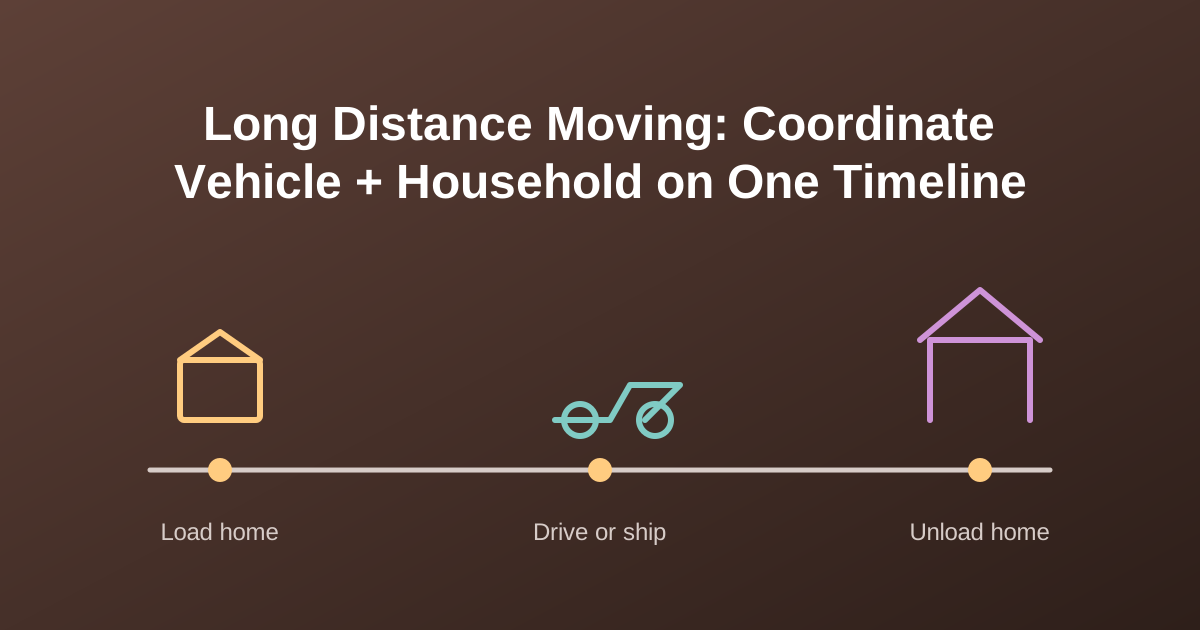
Long Distance Moving: How to Coordinate Your Vehicle and Household Move
Learn how to coordinate your vehicle and household move for a long-distance relocation, from one master timeline to delivery windows and arrival-day choreography.
How to Prepare Your Car Before a Long-Distance Move
Learn how to prepare your car before a long-distance move, from maintenance checks and tire inspections to packing an emergency kit and planning your route.
Moving After a Divorce or Separation: How Professional Movers Can Help
Learn how to handle moving after a divorce or separation, from dividing belongings calmly to using professional movers, storage, and privacy during the transition.