Local vs Long Distance Moves: What You Need to Know
Learn the key differences between local and long distance moves, including pricing, licensing, timing, insurance, and how to choose the right mover for each.
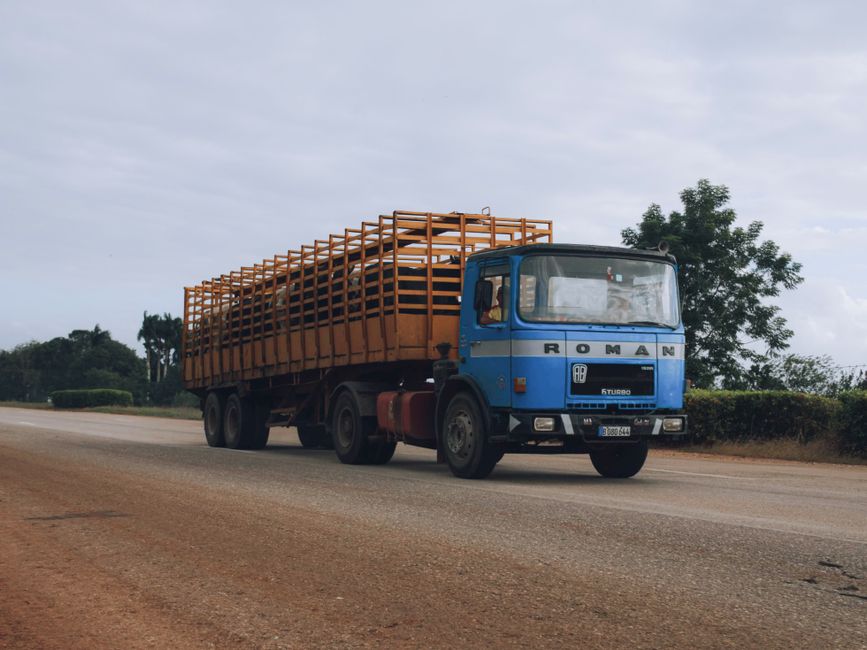
Not all moves are the same. A move across town and a move across the country involve different pricing, different regulations, different timing, and different risks. Understanding these differences helps you hire the right mover, set a realistic budget, and avoid surprises on moving day.
This guide breaks down everything you need to know about local vs long distance moves, from how each is priced to what questions you should ask before booking.
Watch: How to Move Across the Country
This video covers practical tips for planning a long distance move.
What Counts as a Local Move?
A local move typically stays within the same state or metropolitan area. Most moving companies define a local move as anything under 50 to 100 miles, though the exact cutoff varies.
Common characteristics of local moves:
- Completed in a single day
- Priced by the hour
- Regulated by state law
- Usually require a state moving license
- Often billed with a minimum number of hours
Local moves are simpler logistically. Your belongings are loaded, driven a short distance, and unloaded. There is less uncertainty about delivery windows and fewer chances for things to go wrong in transit.
What Counts as a Long Distance Move?
A long distance move crosses state lines or covers more than 100 miles. These moves are also called interstate moves or long-haul moves.
Common characteristics of long distance moves:
- Can take several days to complete
- Priced by weight and distance
- Regulated by the Federal Motor Carrier Safety Administration (FMCSA)
- Require a valid USDOT number
- Often involve delivery windows rather than exact dates
Long distance moves are more complex because your belongings may be consolidated with other shipments, transferred between trucks, or stored temporarily along the way.
Key Differences at a Glance
| Factor | Local Move | Long Distance Move |
|---|---|---|
| Distance | Usually under 50-100 miles | Over 100 miles or across state lines |
| Pricing | Hourly rate | Weight + distance |
| Regulation | State | Federal (FMCSA) |
| License | State license/permit | USDOT number |
| Delivery | Same day | Delivery window |
| Insurance | Varies by state | Released value or full-value protection |
| Complexity | Lower | Higher |
How Local Moves Are Priced
Local moves are typically charged by the hour. The rate depends on the size of the crew and how long the move takes.
What affects the cost:
- Number of movers needed
- Size of your home
- Amount of furniture and boxes
- Stairs, elevators, and long carries
- Drive time between locations
- Whether packing is included
Example local move estimate:
| Home Size | Estimated Hours | Estimated Cost |
|---|---|---|
| Studio | 2-4 hours | $300-$600 |
| One-bedroom | 3-5 hours | $450-$900 |
| Two-bedroom | 5-8 hours | $700-$1,400 |
| Three-bedroom | 6-10 hours | $1,000-$2,000 |
Most local movers have a minimum charge, often 2 to 4 hours. Be sure to ask about fuel fees, travel time, and equipment charges.
How Long Distance Moves Are Priced
Long distance moves are priced based on the weight of your shipment and the distance it travels.
What affects the cost:
- Total weight of belongings
- Distance between origin and destination
- Packing and unpacking services
- Specialty items like pianos or artwork
- Storage needs
- Time of year
Example long distance move estimate:
| Distance | One-Bedroom | Two-Bedroom | Three-Bedroom |
|---|---|---|---|
| 100-500 miles | $1,500-$3,000 | $2,500-$5,000 | $4,000-$8,000 |
| 500-1,500 miles | $2,500-$5,500 | $4,000-$8,500 | $6,500-$12,000 |
| 1,500+ miles | $3,500-$7,000 | $5,500-$11,000 | $8,500-$16,000 |
Always request a binding or binding not-to-exceed estimate for long distance moves. This protects you from surprise charges based on weight.
Licensing and Insurance Requirements
The type of move determines which licenses and insurance rules apply.
Local Moves
Local movers are regulated by state authorities. Requirements vary, but most states require:
- A state moving license or permit
- General liability insurance
- Cargo insurance
- Workers’ compensation coverage
Ask your local mover for their state license number and proof of insurance.
Long Distance Moves
Interstate movers must comply with federal regulations. They need:
- A USDOT number
- FMCSA operating authority
- Released value protection included at no extra charge
- Option to purchase full-value protection
You can verify a USDOT number at the FMCSA Protect Your Move website.
Timing and Scheduling Differences
Local and long distance moves also differ when it comes to scheduling.
Local Moves
- Can often be booked on shorter notice
- Usually completed in one day
- Arrival windows are typically 1-2 hours
- Weather and traffic are smaller factors
Long Distance Moves
- Should be booked 6-8 weeks in advance
- May take several days depending on distance
- Delivery is given as a window, not an exact date
- Weather, route, and other shipments can affect timing
If you are moving long distance, plan for flexibility. Delivery windows are common and normal.
Packing Considerations
Long distance moves put more stress on your belongings. Packing for a cross-country move requires more care than packing for a move across town.
Local Move Packing
- Standard boxes are usually fine
- Less cushioning needed for short trips
- You can transport fragile items yourself
- Less concern about extreme temperature changes
Long Distance Move Packing
- Use high-quality boxes and materials
- Wrap fragile items individually
- Label boxes clearly and keep an inventory
- Consider professional packing for valuable items
- Pack an essentials box for the first night
For packing guidance, see our guide on how to pack boxes for moving.
Questions to Ask a Local Mover
Before hiring a local mover, ask:
- What is your hourly rate and minimum charge?
- How many movers will be on the crew?
- Do you charge for travel time or fuel?
- Are stairs, elevators, or long carries extra?
- What insurance coverage is included?
- Can you provide a written estimate?
Questions to Ask a Long Distance Mover
Before hiring a long distance mover, ask:
- What is your USDOT number?
- Is the estimate binding or non-binding?
- What is the delivery window?
- Will my belongings stay on the same truck?
- What insurance options do you offer?
- How do you handle claims for damaged items?
Trusted Moving Help: Affordable Movers, LLC in Everett, WA
If you are planning a local or long distance move in Everett, Washington, or the surrounding area, working with an experienced local company can simplify the process. Affordable Movers, LLC serves Everett and nearby communities with moving services designed to fit a range of needs.
Affordable Movers, LLC contact details:
- Name: Affordable Movers, LLC
- Address: 12826 Avondale Way, Everett, WA 98204
- Phone: (425) 422-4415
- Website: affordablemoversllc425.com
Before hiring any mover, verify their licensing and insurance, read recent reviews, and request a written estimate. Whether your move is local or long distance, a reliable mover will explain their process clearly.
Red Flags for Both Types of Moves
Some warning signs apply whether you are moving locally or long distance.
Watch out for:
- Refusal to provide a written estimate
- Demand for a large cash deposit
- No physical business address
- Unmarked or rental trucks
- Generic phone greeting
- Pressure to book immediately
- Estimate given without seeing your belongings
If you notice any of these, keep looking. The right mover will be transparent and patient.
How to Choose the Right Mover for Your Move
The best mover depends on the type of move you are making.
Choose a local mover when:
- You are staying within the same city or state
- You want same-day service
- You prefer hourly pricing
- Your move is relatively simple
Choose a long distance mover when:
- You are crossing state lines
- Your move is more than 100 miles
- You need delivery to a new city or state
- You want a binding estimate based on weight
In both cases, get multiple quotes, verify credentials, and read reviews before making a decision.
Final Checklist
Use this checklist to prepare for either type of move:
- Determine whether your move is local or long distance
- Verify the mover’s license (state or USDOT)
- Request at least three written estimates
- Ask about insurance and valuation coverage
- Confirm delivery timing or window
- Review the contract before signing
- Pack an essentials box
- Take photos of valuable items
- Arrange care for children and pets
- Keep all paperwork until the move is complete
The Bottom Line
Understanding the difference between local and long distance moves helps you set the right expectations and choose the right mover. Local moves are simpler, faster, and priced by the hour. Long distance moves require federal licensing, more planning, and pricing based on weight and distance.
No matter which type of move you are planning, the same rules apply: verify credentials, compare written estimates, read reviews, and ask questions until you feel confident. For more help, read our guide on how to choose the right moving company, or get free moving quotes from licensed movers in your area.
Frequently Asked Questions
What is considered a local move vs a long distance move?
How are local moves priced differently from long distance moves?
Do local movers need a USDOT number?
Is insurance different for local and long distance moves?
How far in advance should I book a long distance mover?
Our team of moving experts creates practical, research-backed guides to help make your next move easier.
Related Articles
Long Distance Moving: How to Coordinate Your Vehicle and Household Move
Learn how to coordinate your vehicle and household move for a long-distance relocation, from one master timeline to delivery windows and arrival-day choreography.
Shipping a Car vs Driving It During a Long-Distance Move
Compare shipping a car vs driving it during a long-distance move, including costs, timing, wear and tear, auto transport options, and how to decide.
How to Prepare Your Car Before a Long-Distance Move
Learn how to prepare your car before a long-distance move, from maintenance checks and tire inspections to packing an emergency kit and planning your route.