How Movers Safely Move Oversized Furniture Through Elevators
Learn how movers safely move oversized furniture through elevators, including measuring, disassembly, loading techniques, and building coordination tips.
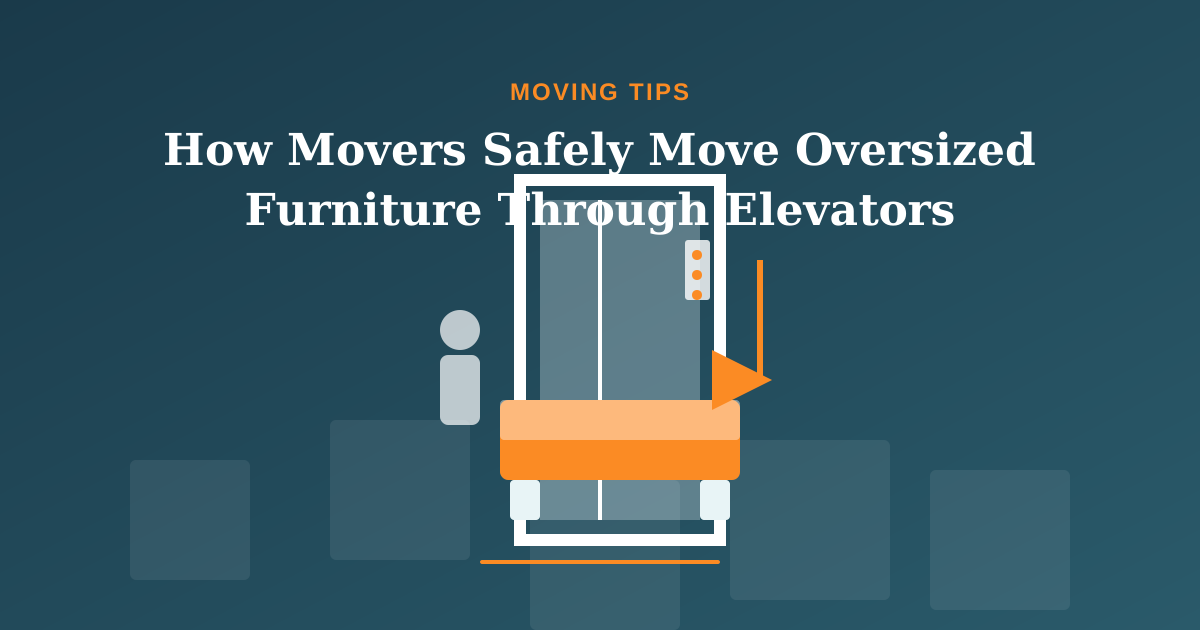
Moving oversized furniture into or out of an apartment or high-rise building adds a unique challenge. Elevators have weight limits, fixed dimensions, and busy schedules, making careful planning essential.
This guide explains how movers safely move oversized furniture through elevators. If you are moving in the Fairfax or Washington DC area, MyProMovers offers moving services experienced in apartment, condo, and high-rise relocations.
Reserve the Elevator Early
Most buildings require residents to schedule elevator access for moves. Without a reservation, you may face delays, conflicts with other residents, or denied access.
Reservation tips:
- Contact building management at least one to two weeks in advance
- Ask about freight elevator availability and size limits
- Confirm time windows and any restrictions
- Find out if a deposit or insurance certificate is required
- Ask where the moving truck can park and load
Some buildings also require a Certificate of Insurance from the moving company.
Measure the Elevator and the Furniture
Professional movers measure everything before attempting to load an elevator.
Measurements to take:
- Elevator interior width, depth, and height
- Door opening width and height
- Diagonal clearance inside the cab
- Furniture height, width, depth, and diagonal dimensions
- Weight of the item compared to the elevator’s capacity
Diagonal measurements are especially important. A sofa or mattress that seems too long may fit when angled correctly.
Choose the Right Elevator
Freight elevators are designed for moving heavy and bulky items. They usually have larger cabs, stronger weight limits, and protective padding.
Freight elevator advantages:
- Larger dimensions than passenger elevators
- Higher weight capacity
- Padded walls and floors
- Direct access to loading docks or service entrances
- Less disruption to residents
If a freight elevator is not available, movers may need to make multiple trips using a passenger elevator or use stairs for smaller items.
Disassemble When Possible
Breaking furniture into smaller pieces makes elevator moves much easier.
Common disassembly tasks:
- Remove sofa legs and detachable arms
- Take apart bed frames and headboards
- Remove table leaves and legs
- Take out dresser drawers and shelves
- Detach mirrors, glass panels, and decorative pieces
Keep all screws, bolts, and small parts in labeled bags. Tape the bags to the corresponding furniture piece or keep them in a dedicated hardware box.
Pad and Protect Everything
Elevator interiors can scratch easily, and furniture corners can damage walls and doors. Protection is essential on both sides.
Protection steps:
- Wrap furniture in moving blankets and plastic wrap
- Pad elevator walls and floors with blankets or cardboard
- Cover corners and edges that could scrape door frames
- Use furniture sliders to avoid floor damage
- Secure loose parts so nothing shifts during transit
Protecting the elevator also protects your relationship with building management and neighbors.
Load Strategically
How furniture is positioned inside the elevator affects safety and space.
Loading tips:
- Place heavier items on the bottom
- Stand sofas and mattresses on end when possible
- Keep the load balanced and stable
- Avoid blocking elevator doors or sensors
- Use straps to secure tall or awkward pieces
Never overload an elevator beyond its weight limit. Doing so can damage the equipment and create a serious safety hazard.
Coordinate With Building Management
Good communication with building staff makes elevator moves smoother.
Things to confirm:
- Loading dock location and access hours
- Service elevator keys or operation instructions
- Any areas that are off-limits
- Cleanup expectations after the move
- Emergency contact information
Some buildings require movers to sign in, use a specific entrance, or complete a move-in or move-out checklist.
Plan for Stairs as a Backup
When an elevator is too small, stairs may be the only option for some items.
Stair moving considerations:
- Measure landings and turns before moving day
- Use a stair climbing dolly for heavy pieces
- Assign enough crew members for safety
- Pad railings and walls along the route
- Move during off-peak hours to avoid foot traffic
Stair moves are slower and more physically demanding, but sometimes they are the safest route.
Video: How to Fit a Big Couch Into a Small Elevator
Elevator Furniture Moving Experts: MyProMovers in Fairfax, VA
Moving oversized furniture through elevators takes planning, measurements, and experience. If you are moving in Fairfax or the surrounding Washington DC area, MyProMovers provides moving services equipped to handle apartment, condo, and high-rise relocations safely.
MyProMovers Fairfax contact details:
- Name: MyProMovers Fairfax
- Address: 10805 Main St, #700, Fairfax, VA 22030
- Phone: (703) 214-2281
- Website: mypromoversdc.com
Before hiring any mover, verify licensing and insurance, read recent reviews, and request a written estimate. An experienced company will explain how they handle elevator reservations, building coordination, and oversized furniture.
The Bottom Line
Moving oversized furniture through elevators requires preparation and coordination. Measuring carefully, reserving the elevator, disassembling pieces, and protecting surfaces all help ensure a safe and efficient move.
For more moving advice, explore our guide on how professional movers handle furniture that won’t fit through a door or get free moving quotes from licensed movers in your area.
Frequently Asked Questions
How do movers get large furniture into an elevator?
What if my furniture doesn't fit in the elevator?
Should I reserve an elevator for moving day?
Can movers use a passenger elevator for large items?
Do I need to protect the elevator during a move?
Our team of moving experts creates practical, research-backed guides to help make your next move easier.
Related Articles
Moving Checklist: How to Protect, Pack, and Restore Wooden Furniture
Learn how to protect, pack, and restore wooden furniture during a move, from pre-move inspection and wrapping techniques to scratch repair and professional restoration.
How to Prepare Important Documents Before a Move
Learn how to prepare important documents before a move, from sorting, digitizing, and backing up records to packing a personal document folder.
What to Keep With You on Moving Day Instead of Loading on the Truck
Learn what to keep with you on moving day instead of loading it on the truck, including documents, valuables, medications, and your first-night essentials.