How Professional Movers Handle Furniture That Won't Fit Through a Door
Learn how professional movers handle furniture that won't fit through a door, including disassembly, hoisting, tilting techniques, and when to use crane services.
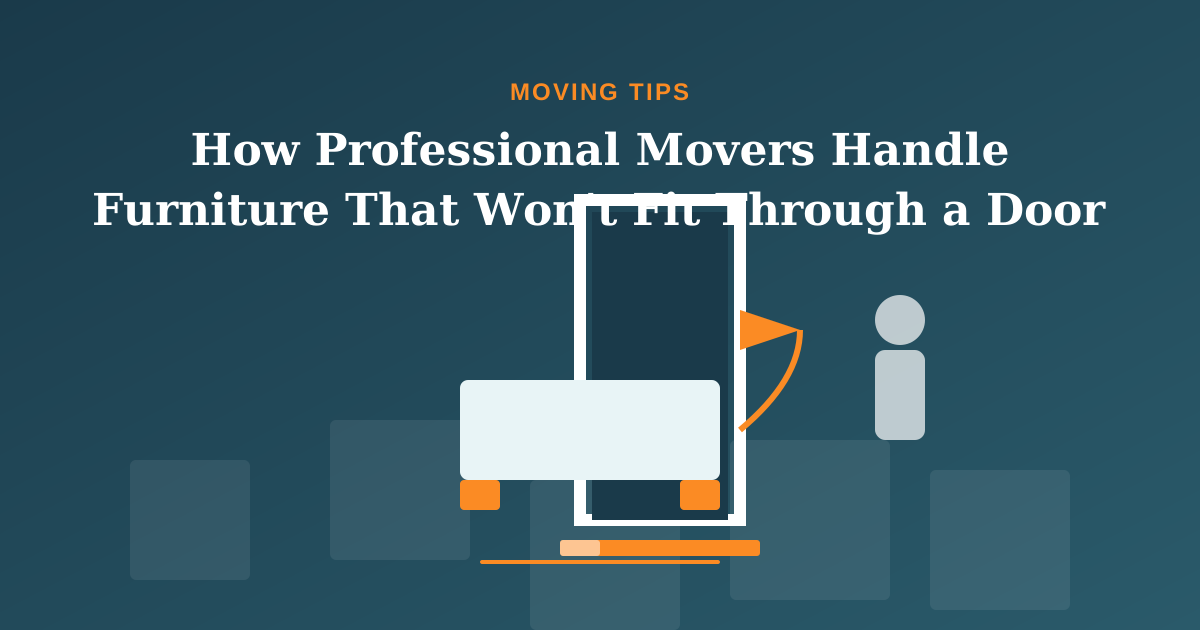
Few moving-day problems are more stressful than watching a large sofa, armoire, or mattress refuse to fit through a doorway. Tight hallways, narrow staircases, and small entries can turn an ordinary move into a logistical puzzle.
This guide explains how professional movers handle furniture that won’t fit through a door, from practical disassembly to specialized hoisting. If you are moving in the Woodbridge or Washington DC area, MyProMovers offers moving services experienced in handling oversized and awkward items.
Measure Before You Move
Professional movers rarely guess. They start by measuring both the furniture and the path it needs to travel.
Key measurements:
- Width and height of the door frame
- Depth of the doorway and adjacent wall space
- Hallway width and ceiling height
- Stairwell width, landing size, and railing clearance
- The furniture’s height, width, depth, and diagonal dimensions
Diagonal clearance is often the secret to fitting a bulky item through a tight opening. A piece that seems too wide may fit when tilted at an angle.
Disassemble What You Can
Disassembly is usually the first solution movers try. Removing parts makes furniture smaller, lighter, and easier to maneuver.
Common disassembly steps:
- Remove legs, feet, and detachable arms from sofas and chairs
- Take out drawers, shelves, and removable panels from dressers and cabinets
- Detach headboards, footboards, and bed frames
- Remove table leaves and detached legs
- Take off mirrors, glass panels, and decorative elements
Keeping hardware organized in labeled bags makes reassembly much faster in your new home.
Remove Doors, Hinges, and Trim
Sometimes the doorway itself is the obstacle. Removing a door can add several inches of clearance.
Steps to gain extra space:
- Remove the door from its hinges
- Take off the door stop molding if necessary
- Remove the door frame trim in extreme cases
- Pad the frame with blankets to prevent scratches
This is a simple adjustment that can make the difference between a piece fitting or not.
Tilt, Pivot, and Stand Items on End
Experienced movers use geometry and technique to fit large pieces through small openings.
Common techniques:
- Tilt and slide: Angle the furniture to use the full diagonal space
- Stand on end: Flip a sofa or mattress vertically to pass through a narrow opening
- Pivot method: Rotate the piece as it moves through the doorway
- Two-person carry: One person guides from above while the other supports from below
These techniques require coordination and strength. Without proper training, it is easy to damage the furniture or the home.
Use Moving Equipment for Heavy Pieces
The right equipment protects both the movers and your belongings.
Helpful equipment:
- Furniture dollies: Move heavy items without lifting
- Hand trucks: Ideal for upright items like refrigerators and armoires
- Moving straps and harnesses: Distribute weight and improve control
- Furniture sliders: Help glide pieces across floors without scratching
- Moving blankets and pads: Protect walls, floors, and furniture surfaces
Using the wrong equipment or skipping padding increases the risk of damage and injury.
Hoisting Through a Window or Balcony
When interior routes are impossible, movers may hoist furniture through a window, balcony, or terrace.
Hoisting basics:
- A crew uses straps, ropes, and pulleys to lift the item
- The piece is carefully wrapped and padded first
- Movers on upper levels guide the item into place
- This method requires experience and proper safety gear
Hoisting is commonly used for sofas, mattresses, dressers, and exercise equipment in apartments and townhomes.
When Crane Services Are Needed
For extremely heavy or valuable items, professional crane services may be the safest option.
Crane services are used for:
- Large pianos and safes
- Oversized sculptures or artwork
- Heavy appliances in high-rise buildings
- Items that cannot be safely hoisted by hand
Crane moves require permits, specialized equipment, and coordination with building management. They are more expensive but sometimes the only safe solution.
Know When to Leave It Behind
In rare cases, the cost and risk of moving a piece outweigh its value.
Consider leaving furniture behind when:
- It cannot be disassembled and will not fit any route
- Hoisting or crane costs exceed the item’s value
- The item is damaged or worn out
- Your new space has different needs or dimensions
Selling, donating, or disposing of an oversized item can be the smartest choice.
Video: What to Do When Your Furniture Doesn’t Fit Through the Door
Oversized Furniture Moving Experts: MyProMovers in Woodbridge, VA
Handling furniture that won’t fit through a door requires problem-solving, experience, and the right equipment. If you are moving in Woodbridge or the surrounding Washington DC area, MyProMovers provides moving services equipped to manage oversized, heavy, and awkward items safely.
MyProMovers Woodbridge contact details:
- Name: MyProMovers Woodbridge
- Address: 44565 Daisy Reid Avenue Suite 128B, Woodbridge, VA 22192
- Phone: (571) 548-4033
- Website: mypromoversdc.com
Before hiring any mover, verify licensing and insurance, read recent reviews, and request a written estimate. A qualified company will explain how they handle oversized furniture and whether disassembly or hoisting may be needed.
The Bottom Line
Furniture that won’t fit through a door is a common moving challenge, but it does not have to be a disaster. Measuring carefully, disassembling when possible, using proper techniques, and knowing when to call in specialized help can save time, money, and frustration.
For more moving advice, explore our guide on how professional movers protect walls, floors, and doorways during a move or get free moving quotes from licensed movers in your area.
Frequently Asked Questions
What do movers do when furniture doesn't fit through the door?
Can all furniture be disassembled for moving?
How do movers measure whether furniture will fit?
Is hoisting furniture through a window safe?
Should I hire movers for oversized furniture?
Our team of moving experts creates practical, research-backed guides to help make your next move easier.
Related Articles
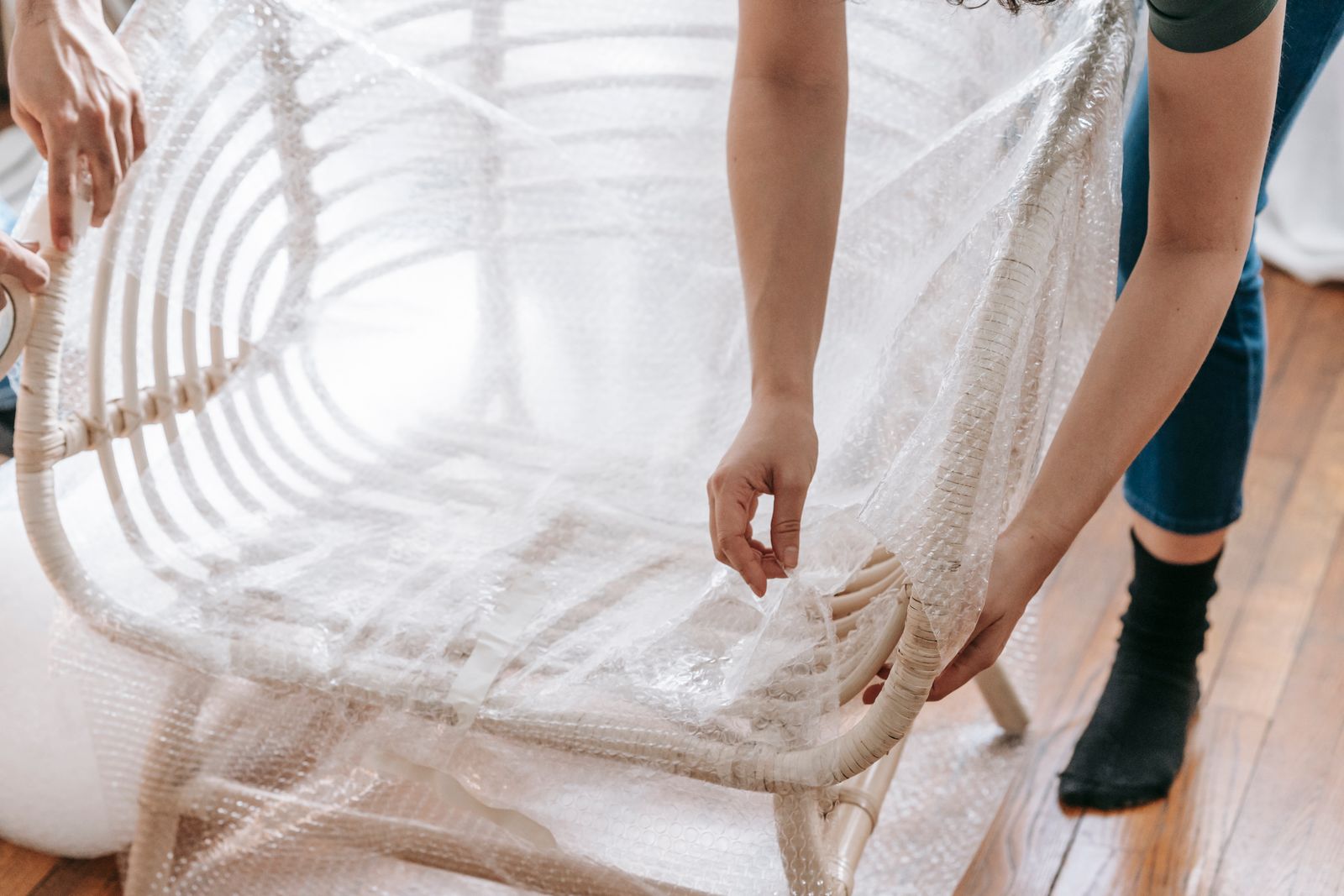
Moving Checklist: How to Protect, Pack, and Restore Wooden Furniture
Learn how to protect, pack, and restore wooden furniture during a move, from pre-move inspection and wrapping techniques to scratch repair and professional restoration.
How to Prepare Important Documents Before a Move
Learn how to prepare important documents before a move, from sorting, digitizing, and backing up records to packing a personal document folder.
What to Keep With You on Moving Day Instead of Loading on the Truck
Learn what to keep with you on moving day instead of loading it on the truck, including documents, valuables, medications, and your first-night essentials.