How to Give Movers Special Instructions Before Moving Day
Learn how to give movers special instructions before moving day, from written instruction sheets and color-coded labels to walkthroughs and do-not-move zones.
Good movers want clear instructions, and the best instructions are the ones they can see, read, and check off. Relying on a shouted sentence as the truck pulls up is how heirlooms end up in the wrong room. A simple instruction system before moving day fixes most of that.
This guide shows how to give movers special instructions that actually stick. If you are moving in the Minneapolis area, Mint Moving works with detailed instructions and labeling systems for careful, organized moves.
What Counts as a Special Instruction
Anything beyond “load it and go” deserves explicit instruction:
- Fragile and high-value items — artwork, antiques, instruments, electronics
- Furniture quirks — what disassembles, what stays whole, glass shelves to remove
- Placement preferences — which room each piece lands in at the new home
- Prohibited items — documents, jewelry, plants, hazardous materials
- Building logistics — elevator reservations, parking, floor protection, quiet hours
- Timing constraints — closing deadlines, loading dock windows, elevator blocks
If getting it wrong would cost money or heartache, put it in writing.
Build a One-Page Instruction Sheet
A single printed or emailed page beats a long conversation. Structure it so a crew lead can scan it in thirty seconds.
Your instruction sheet should list:
- Contact numbers for you and your agent or building manager
- Addresses, unit numbers, and gate or door codes for both ends
- Loading and unloading constraints at each location
- A short list of priority and fragile items by label or description
- Furniture placement notes for the new home
- Items that must not be loaded
- Payment and paperwork expectations
Send it to the moving company a few days before the move, and hand a printed copy to the crew lead on arrival.
Label With a Color Code
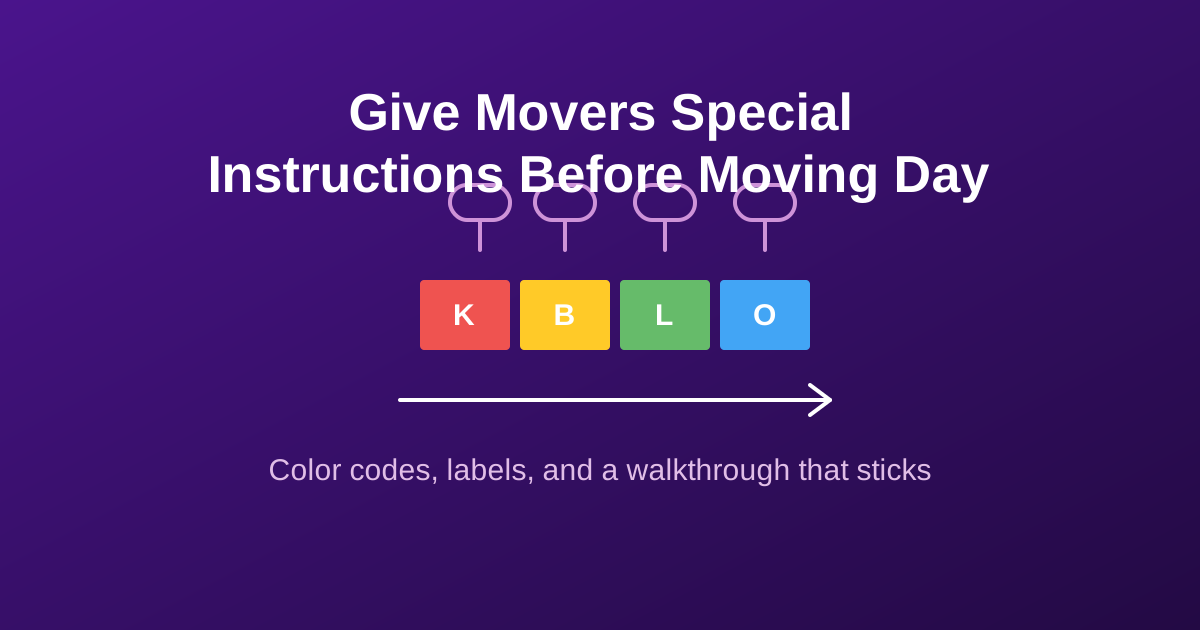
Color beats handwriting. Assign each room a color — kitchen red, bedroom blue, office green — and mark every box and furniture tag with colored tape or stickers. Add a one-word destination on at least two sides of each box.
Color coding means any crew member, at a glance, knows where something goes without asking you. It also lets you spot a stray box instantly at the new home.
Create a Do-Not-Move Zone
Set aside one room, closet, or corner for everything traveling with you: documents, medications, chargers, valuables, plants, and hazardous materials movers cannot legally transport. Tape a big sign to it: DO NOT MOVE.
Tell the crew lead about the zone during the walkthrough. A physical boundary works better than a verbal list when the day gets busy.
Walk the Crew Through the Home
When the crew arrives, take five minutes to walk the space together.
During the walkthrough, point out:
- The do-not-move zone
- Fragile items and anything needing disassembly
- Items staying with the home per your contract
- The loading path and any floor protection in place
- Your instruction sheet for reference
Five minutes here saves hours of questions and mistakes later.
Document Condition Before Loading
Photograph furniture, electronics, and artwork before the crew wraps them. Note existing scratches on the inventory or bill of lading. This protects both you and the movers if a damage claim comes up later.
For high-value pieces, confirm valuation coverage in advance so the paperwork matches the care.
Confirm Placement at the New Home
Instructions work at both ends. At the new home, tape colored room signs on doors so the color code translates immediately. Tell the crew where major furniture goes before unloading starts, while the energy is calm.
Moving crews would rather place things correctly once than reshuffle a sofa three times.
Video: The Ultimate Color Moving System
Minneapolis Pre-Move Instruction and Labeling Experts: Mint Moving in Minnesota
Clear instructions turn a good crew into a great move, and the right mover builds instruction-taking into the process. If you are moving in Minneapolis or the surrounding Twin Cities area, Mint Moving provides careful moving services that follow your labeling, placement, and handling instructions.
Mint Moving contact details:
- Name: Mint Moving
- Address: 7204 W 27th St Ste 222, Minneapolis, MN 55426-3113
- Phone: (651) 461-6468
- Website: movewithmint.com
Before hiring any mover, verify licensing and insurance, read recent reviews, and request a written estimate. A qualified company will ask about your special instructions, explain their labeling and inventory process, and walk the home with you before loading.
The Bottom Line
Movers cannot follow instructions they never received clearly. Write a one-page sheet, color-code every box, fence off a do-not-move zone, walk the crew through the home, and document condition. Five small systems replace one stressful guessing game.
For more moving advice, explore our guide on how to pack artwork, mirrors, and wall decor or get free moving quotes from licensed movers in your area.
Frequently Asked Questions
How do I give special instructions to my movers?
What should I tell movers before they start?
Is it better to give movers verbal or written instructions?
How do I make sure fragile items get special handling?
What items should I tell movers not to take?
Our team of moving experts creates practical, research-backed guides to help make your next move easier.
Related Articles
How to Prepare Important Documents Before a Move
Learn how to prepare important documents before a move, from sorting, digitizing, and backing up records to packing a personal document folder.

What to Keep With You on Moving Day Instead of Loading on the Truck
Learn what to keep with you on moving day instead of loading it on the truck, including documents, valuables, medications, and your first-night essentials.
How to Create a Moving Inventory for Your Moving Company
Learn how to create a moving inventory for your moving company, from room-by-room lists and photos to condition notes and labeled box tracking.