How to Protect Hardwood Floors During a Move
Learn how to protect hardwood floors during a move. Get practical tips on floor runners, furniture sliders, padding, and safe lifting to prevent scratches and dents.
Hardwood floors are a major investment, and moving day puts them at risk. Heavy furniture, dollies, dropped items, and tracked-in dirt can scratch, dent, or scuff the finish in just a few hours.
This guide explains how to protect hardwood floors during a move so your home looks as good after the last box leaves as it did before the truck arrived. If you are moving in the Herndon or Washington DC area, MyProMovers offers moving services with experience protecting homes and their finishes.
Plan Your Path Before Moving Day
A little planning goes a long way in preventing floor damage. Walk through your home and identify the routes movers will use most.
Planning tips:
- Measure doorways, hallways, and staircases
- Remove rugs, mats, and obstacles that could cause tripping
- Identify tight corners where furniture might scrape walls or floors
- Cover floors in high-traffic areas before moving begins
The less backtracking and tight maneuvering, the lower the risk of accidental damage.
Use Floor Runners and Protective Covering
Floor runners are one of the best ways to shield hardwood floors from foot traffic, dollies, and dropped items.
Popular floor protection options:
- Floor runners with non-slip backing: Designed specifically for moving
- Ram Board: Thick, durable cardboard that lays flat and resists tearing
- Red rosin paper: Inexpensive and works well for light traffic
- Clean cardboard sheets: A free option if you have extra boxes
Secure the edges with painter’s tape to prevent shifting. Avoid duct tape, which can leave residue or pull up the finish.
Add Furniture Sliders Under Heavy Items
Dragging heavy furniture across hardwood floors is one of the fastest ways to cause scratches. Furniture sliders make it easy to move pieces without lifting them entirely.
Slider tips:
- Choose felt or plastic sliders made for hardwood floors
- Clean the bottom of furniture legs before placing sliders
- Use sliders under sofas, dressers, tables, and appliances
- Replace sliders if they become dirty or worn
Sliders are a small investment that can save hundreds of dollars in floor repairs.
Lift Instead of Dragging
Even with sliders, dragging should be a last resort. Lifting reduces pressure on the floor and lowers the chance of gouges.
Lifting best practices:
- Use a dolly with rubber wheels for heavy items
- Use lifting straps or a hand truck when needed
- Get help for bulky or awkward pieces
- Set furniture down gently, never drop it
If an item is too heavy to lift safely, professional movers have the equipment and training to move it without damaging your floors.
Protect Floors From Dirt and Moisture
Dirt, gravel, and moisture are common causes of hardwood floor damage during a move.
Prevention tips:
- Place doormats at all entry points
- Ask movers to wipe their feet or use shoe covers
- Cover floors near doorways where rain or snow might be tracked in
- Clean the floors before laying down protection so grit does not get trapped underneath
Trapped grit acts like sandpaper underfoot and can scratch the finish.
Pad and Wrap Furniture With Sharp Edges
Sharp corners on furniture, mirrors, and artwork can gouge hardwood floors if they swing or drop.
Protection steps:
- Wrap furniture corners in moving blankets or bubble wrap
- Secure padding with tape or stretch wrap
- Cover metal bed frames and table legs
- Pad the bottom of appliances and tool chests
Pay special attention to items that will be carried through narrow hallways or around corners.
Use Dollies and Hand Trucks Correctly
Dollies are helpful, but the wrong type or misuse can damage hardwood floors.
Dolly safety tips:
- Use dollies with rubber or pneumatic wheels
- Avoid metal wheels that can scratch or dent
- Keep wheels clean before rolling them onto hardwood
- Do not overload dollies beyond their weight limit
A well-maintained dolly with clean wheels protects both your floors and your back.
Cover Stairs and Entryways
Stairs and entryways see the most traffic on moving day. They also tend to collect dirt and moisture from outside.
Coverage tips:
- Lay protective material on each stair tread
- Secure runners with tape that will not damage the finish
- Cover landings and foyer areas heavily
- Check coverings periodically and replace them if they shift or tear
These high-traffic zones deserve extra attention throughout the move.
Inspect Floors Before and After the Move
Documenting the condition of your floors protects you if damage occurs.
Inspection checklist:
- Take photos of floors before moving begins
- Note existing scratches, dents, or wear
- Walk through after the move to check for new damage
- Report any concerns to the moving company promptly
Photos provide clear evidence if you need to file a claim for damages.
Video: How Professional Movers Protect Floors
Hardwood Floor Protection Moving Experts: MyProMovers in Herndon, VA
Protecting hardwood floors during a move takes the right materials, careful handling, and experience. If you are moving in Herndon or the surrounding Washington DC area, MyProMovers provides moving services that prioritize protecting your home and its finishes.
MyProMovers Herndon contact details:
- Name: MyProMovers Herndon
- Address: 2340 Carta Way #5033, Herndon, VA 20171
- Phone: (703) 454-8685
- Website: mypromoversdc.com
Before hiring any mover, verify licensing and insurance, read recent reviews, and request a written estimate. A dependable company will explain how they protect floors, doorways, and walls during the move.
The Bottom Line
Protecting hardwood floors during a move is worth the extra effort. Floor runners, furniture sliders, proper lifting, and clean entryways all help prevent scratches, dents, and other damage. With the right approach, your floors will look just as good in your new home as they did in your old one.
For more moving advice, explore our guide on how to pack lamps and lighting fixtures for moving or get free moving quotes from licensed movers in your area.
Frequently Asked Questions
How do I protect hardwood floors when moving furniture?
What is the best floor protection during a move?
Do furniture sliders work on hardwood floors?
Should I cover hardwood floors before movers arrive?
Can professional movers protect my floors during a move?
Our team of moving experts creates practical, research-backed guides to help make your next move easier.
Related Articles
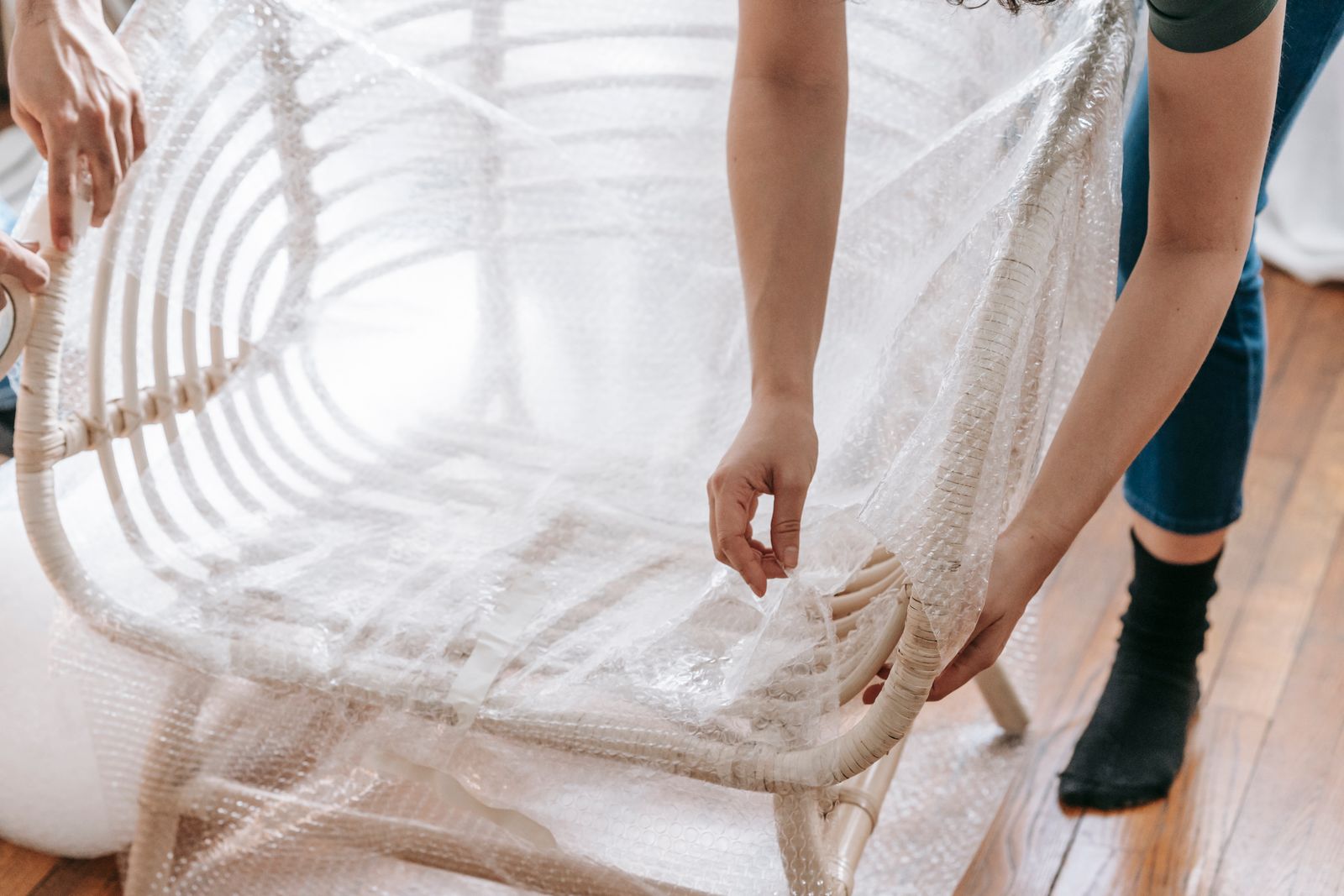
Moving Checklist: How to Protect, Pack, and Restore Wooden Furniture
Learn how to protect, pack, and restore wooden furniture during a move, from pre-move inspection and wrapping techniques to scratch repair and professional restoration.
How to Prepare Important Documents Before a Move
Learn how to prepare important documents before a move, from sorting, digitizing, and backing up records to packing a personal document folder.
What to Keep With You on Moving Day Instead of Loading on the Truck
Learn what to keep with you on moving day instead of loading it on the truck, including documents, valuables, medications, and your first-night essentials.