The Most Common Injuries Professional Movers Face—and How to Prevent Them
Professional movers face high risks of back injuries, sprains, and other workplace injuries. Learn the most common injuries and safety precautions every moving company should implement.
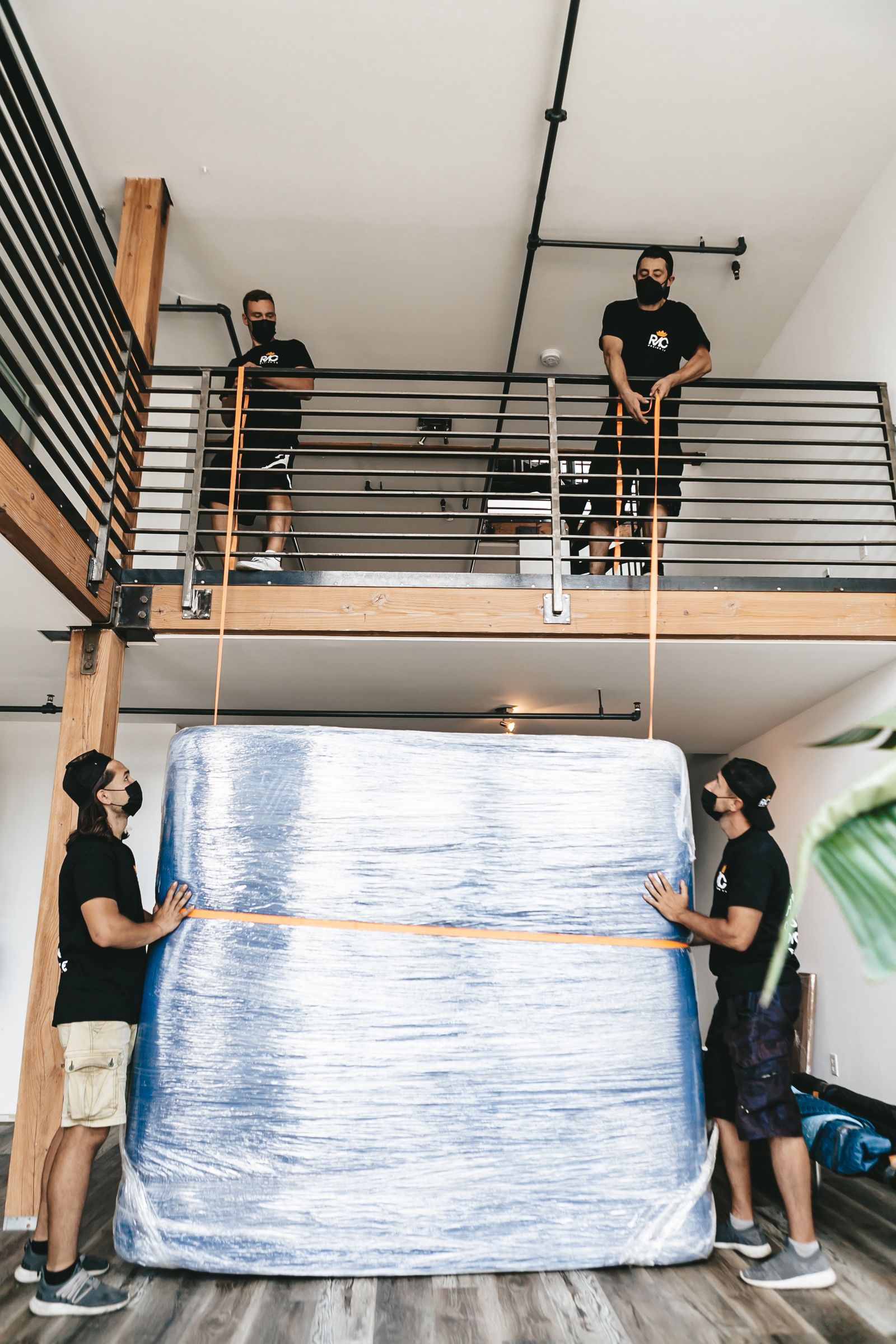
Moving day is stressful enough without worrying about the physical toll on the crew. But behind every successful relocation is a team of professional movers who face significant risks on the job. From strained backs to slipped discs and repetitive stress injuries, the moving industry consistently ranks among occupations with high workplace injury rates.
Understanding the most common injuries—and how to prevent them—is critical for moving companies, workers, and the customers who rely on them. Below are the injuries most frequently reported by professional movers and practical steps to keep your crew safe.
Lower Back Strains and Sprains
Lower back injuries represent the single most common workplace injury for professional movers. When employees lift heavy boxes without proper technique, twist while carrying loads, or bend repeatedly without support, their lower back muscles and ligaments bear the brunt of the force. One awkward move with improperly loaded furniture can lead to strains that sideline workers for weeks or result in chronic back pain.
Prevention strategies:
- Train all crew members on proper lifting technique: bend at the knees, keep the load close to the body, and avoid twisting while carrying.
- Assign a second mover to help with particularly heavy or awkward items rather than relying on a single person.
- Use mechanical assistance—dollies, hand trucks, and hoists—for anything weighing more than 50 pounds.
- Incorporate regular stretching and core-strengthening exercises into daily routines.
- Schedule frequent rest breaks during long moves to allow muscles to recover.
Herniated Discs
A herniated disc occurs when soft inner core of a spinal disc pushes through a weakened outer layer. For movers, this often happens after a single event—a wrong bend, a sudden lift, or an awkward twist while carrying furniture. Herniated discs can cause chronic pain, numbness, or weakness in the back, legs, or arms, and may require surgical intervention.
Prevention strategies:
- Enforce a weight limit on single-person lifts. Anything heavier than 50 pounds should be split between two movers or moved with equipment.
- Use proper lifting mechanics at every step—especially when loading and unloading trucks from elevated surfaces.
- Conduct regular physical evaluations to ensure crew members are physically capable of the demands of the job.
- Provide ergonomic training on how to distribute weight evenly across the body during lifting.
- Replace injured workers appropriately rather than forcing a strained back to bear more weight.
Repetitive Strain Injuries
Repetitive motion injuries, including tendonitis and carpal tunnel syndrome, develop over time from repetitive movements like gripping handles, climbing ladders, and moving boxes. These injuries often go undetected until pain becomes persistent, at which point they can severely limit a worker’s ability to perform their job.
Prevention strategies:
- Rotate crew members between lifting tasks and equipment operation to reduce repetitive strain.
- Use properly padded grips and handles on boxes, furniture, and equipment.
- Provide equipment maintenance to ensure all tools function smoothly without requiring excessive force.
- Monitor workers for early signs of overuse, such as tingling or numbness in hands and wrists.
- Schedule regular assessments by an occupational health professional.
Sprained Wrists and Ankles
Climbing in and out of trucks, working on uneven surfaces, and rushing to meet tight schedules make sprained wrists and ankles among the most common acute injuries for professional movers. A misstep on an irregular surface or a slip while descending from a van can send a worker to the ground in seconds, resulting in sprains that limit mobility and require weeks of recovery.
Prevention strategies:
- Maintain truck floors and loading areas to eliminate hazards like loose tarps, tools, or debris.
- Provide workers with slip-resistant, supportive footwear designed for moving tasks.
- Use sturdy ramps or lifts to reduce the need for awkward climbing.
- Enforce standard safety protocols for stepping in and out of vehicles.
- Encourage workers to report uneven terrain or slippery conditions immediately.
Slipped Ribs and Fractures
While less common than strains, slipped ribs and fractures can result from carrying heavy furniture around corners, climbing poorly secured ladders, or slipping and falling. These injuries often require extended time off work and can lead to long-term complications if not properly treated.
Prevention strategies:
- Never carry furniture around corners without spotting assistance from a second mover.
- Use secure, properly anchored ladders for reaching high areas—no climbing on vehicle roofs or unsecured surfaces.
- Provide fall protection equipment when working at heights above six feet.
- Ensure all equipment is inspected regularly for wear and damage.
- Train workers to move slowly and deliberately rather than rushing, especially when navigating tight spaces.
How Movers Can Protect Themselves
Beyond these common injuries, professional movers must also guard against cuts, bruises, and exposure to hazardous materials during packing. Ensuring crew safety requires a combination of proper training, equipment, and workplace culture.
Daily safety practices:
- Inspect all equipment before each shift—ladders, dollies, and straps should be in good condition.
- Wear appropriate clothing that allows for full range of motion without loose fabrics that could catch.
- Use proper packaging materials to reduce the risk of cuts from sharp edges.
- Know your physical limits and communicate when a load feels unsafe.
- Document any injuries immediately, no matter how minor, and seek medical attention when needed.
The Cost of Injuries for Moving Companies
Injuries don’t just impact workers—they affect business operations, insurance premiums, and customer trust. When crew members are out of commission, companies must pay overtime or hire temporary help, insurance costs rise after each claim, and the company’s reputation can suffer if workers are seen as overworked or undertrained.
Investing in prevention is far more cost-effective than dealing with the aftermath of injuries. Regular safety training, quality equipment, and a culture that prioritizes worker health over tight deadlines pay dividends in reduced workers’ compensation claims, higher morale, and stronger customer relationships.
Questions to Ask Before Hiring a Moving Company
When selecting a moving company, don’t hesitate to ask about their safety practices. A reputable mover should be proud of their track record and transparent about how they protect their crew. Questions to ask include:
- How do you train movers on proper lifting techniques?
- What safety equipment do you provide to your crew?
- Do you have a documented safety program in place?
- How do you handle injuries or accidents that occur on the job?
- Can you share testimonials or reviews from workers?
These questions help ensure you’re working with a company that values both its employees and the customers they serve.
The Bottom Line
The physical demands of professional moving make workplace injuries a real risk—but they’re largely preventable with the right policies and practices in place. By prioritizing proper lifting techniques, investing in quality equipment, providing ongoing safety training, and fostering a culture that values worker health, moving companies can significantly reduce the frequency and severity of injuries.
For workers who have already suffered injuries on the job, seeking the right legal guidance is essential. If you or someone you know has been injured while working as a professional mover, best work injury lawyer can help you understand your rights and options.
Protecting your crew isn’t just good for your business—it’s the right thing to do. When you choose a mover who puts safety first, you get reliable service and peace of mind, knowing that the people handling your belongings are doing so with care and professionalism. Get quotes from top-rated local and long-distance movers in your area.
Frequently Asked Questions
What is the most common injury for professional movers?
How can moving companies prevent worker injuries?
Our team of moving experts creates practical, research-backed guides to help make your next move easier.